
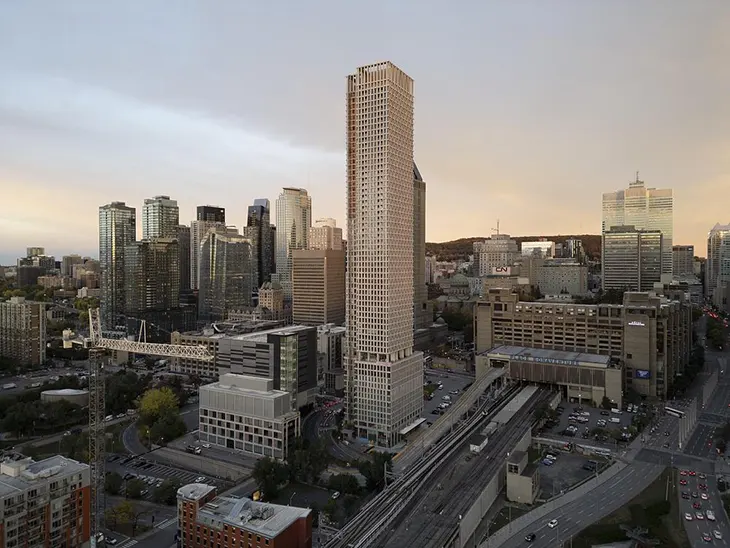
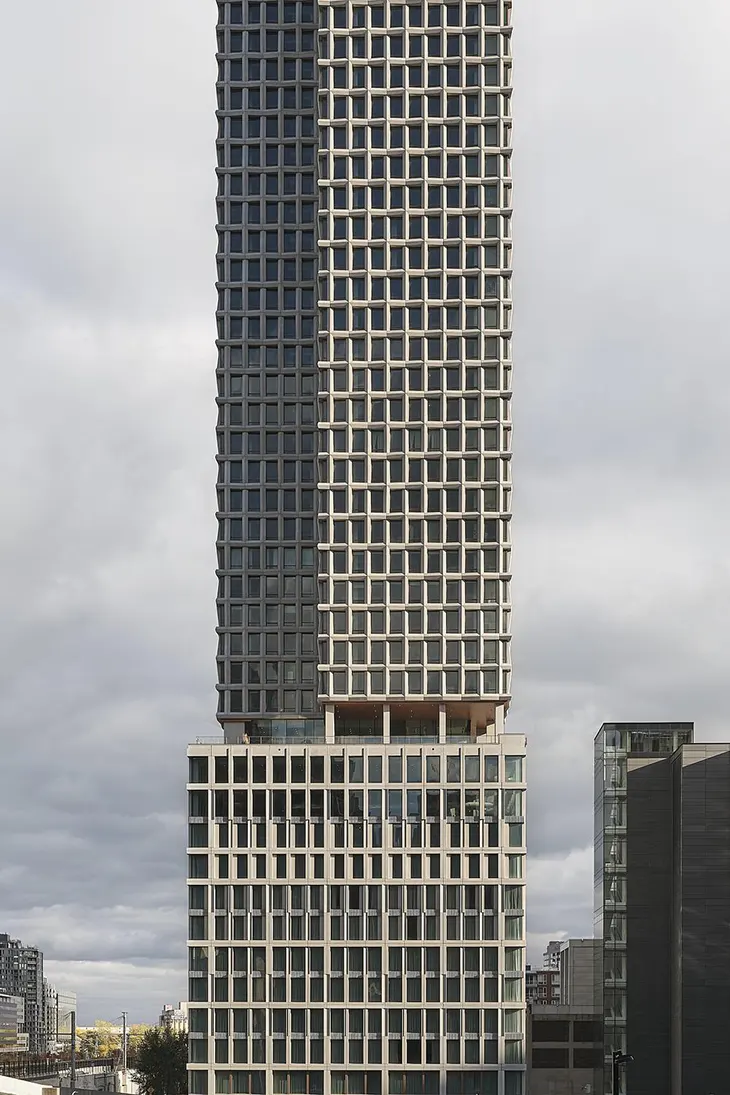
In Montreal’s Quartier des Gares, 900 Saint-Jacques introduces a new density model grounded in material continuity and urban integration. Designed by Chevalier Morales in collaboration with Brian Elsden Burrows, Architect – Le Groupe Architex, the 63-storey mixed-use tower rises from a site long perceived as residual terrain at the edge of downtown. Framed by rail corridors and the Ville-Marie Expressway, the project transforms infrastructural adjacency into an asset, establishing a cohesive vertical neighborhood that bridges mobility, hospitality, and housing.
MIXED-USE
The program combines four underground parking levels, a 12-storey Moxy hotel, and approximately 700 rental units distributed across 48 residential floors. Shared amenities and collective spaces connect these uses, creating a layered ecosystem within a single footprint. As Montreal navigates increasing housing pressure alongside ecological targets, 900 Saint-Jacques positions verticality as a structured response to both urban density and quality of life.
A Mineral Identity
in a Glass Skyline
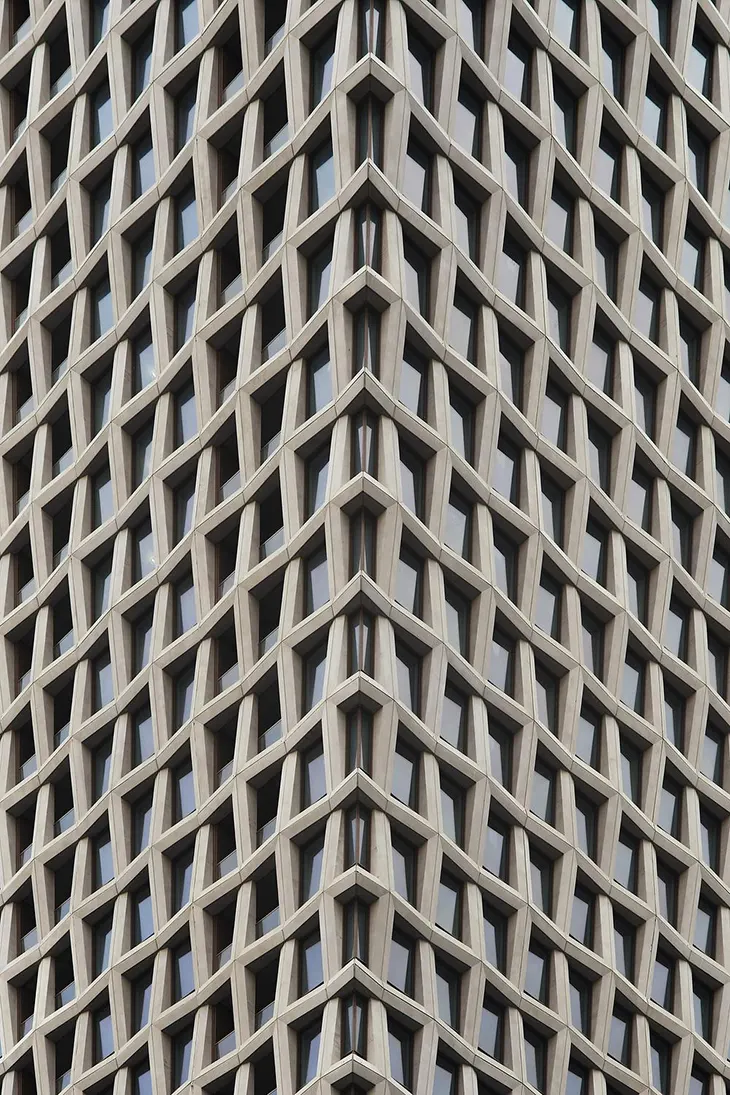
The tower’s defining gesture lies in its mineral envelope. While many contemporary residential towers rely on curtain wall glazing, 900 Saint-Jacques adopts sculpted precast concrete panels that reference Montreal’s architectural lineage. The façade recalls the material grain of Old Montreal, Place Ville-Marie, the Sun Life Building, and the Olympic Park. Through this lineage, the project asserts a contemporary identity rooted in local material culture.
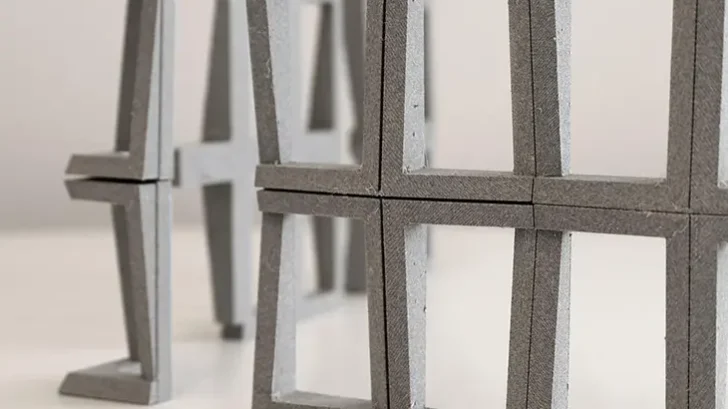
The façade system relies on repetition and recomposition of a limited set of prefabricated modules. False joints, open corner panels, and geometries that extend beyond module limits dissolve the perception of segmentation, creating a continuous surface with a textile-like depth. Solar exposure animates the relief, revealing subtle shifts across the surface throughout the day. Transparent volumes punctuate the mass, exposing shared interiors and reinforcing the building’s connection to the public realm.
Recognized with a 2025 Canadian Architect Award of Excellence, the project received particular attention for its technical innovation in precast concrete application. The envelope departs from conventional panel construction and demonstrates how material logic can drive both performance and expression.
Three Strata, Three Scales
The massing unfolds in three distinct layers: a transparent base, a planted podium, and a crowned tower. Each corresponds to a specific urban scale and integrates green space as an architectural element.
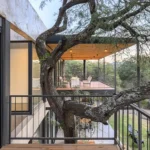
At street level, a fully transparent base activates the public interface. A garden connects directly to the restaurant terrace and adjacent cycling infrastructure, aligning with the greening objectives of the Quartier des Gares PPU. The podium above introduces textured concrete panels and landscaped terraces, forming a suspended garden that mediates between the street and the vertical volume. This planted transition establishes a perceptible threshold between public and residential domains.
At the summit, oversized façade openings frame a rooftop green space with views toward Mount Royal. The crown reinforces the building’s vertical dialogue with the city’s topography and situates communal life at the highest point of the structure.
Collective Living as Strategy
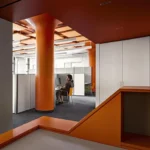
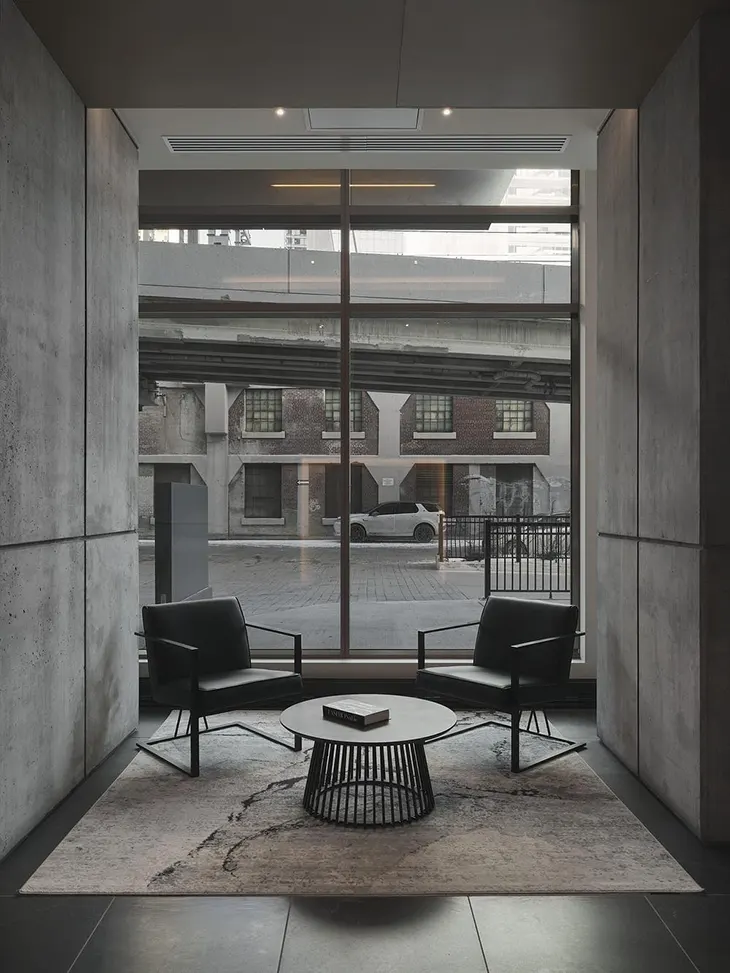
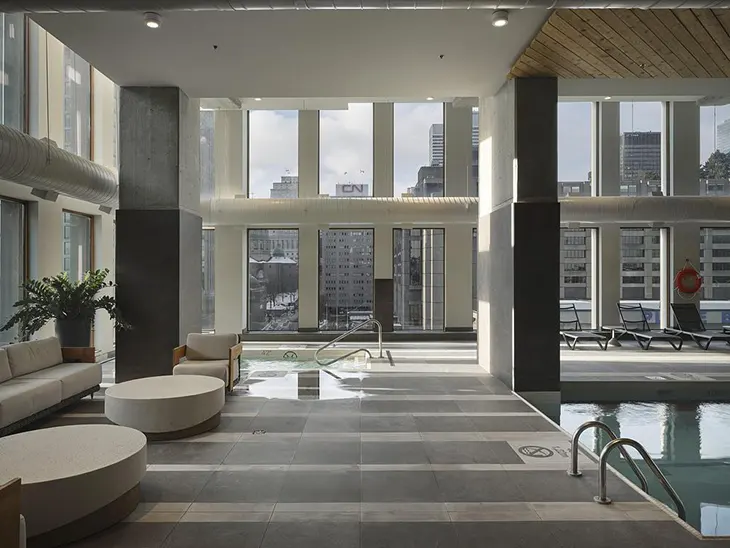
The project distributes shared amenities throughout the tower, placing collective life at the core of its residential concept. Terraces, gardens, a restaurant, community rooms, coworking areas, relaxation zones, and a shared kitchen extend domestic space beyond individual units. Both residents and hotel guests access these spaces, reinforcing interaction across programmatic boundaries.
The residential mix addresses diverse household types. A notable proportion of three-bedroom units supports family living downtown, while flexible layouts adapt to evolving needs. Smaller units draw from compact living principles, offering more accessible entry points into the city center. The abundance and quality of communal spaces offset reduced private footprints and encourage a socially connected vertical lifestyle.
Environmental Performance
and Social Durability
Sustainability underpins the technical framework of 900 Saint-Jacques. The high-performance precast envelope, combined with advanced electromechanical systems, exceeds baseline efficiency standards and aligns with LEED-type certification principles. Optimized window-to-wall ratios, local material sourcing, water-efficiency strategies, and high-efficiency lighting systems reduce operational demand. The concrete façade improves winter energy performance by approximately 25 percent compared to a conventional glass system, a significant advantage within Montreal’s climate.
Environmental responsibility extends into social durability. By diversifying unit typologies and prioritizing long-term livability, the project frames sustainability as both technical and communal. Density here operates as a calibrated strategy, integrating infrastructure, material continuity, and shared life into a single architectural organism.