
Ran & Morris Creative Partnership unveils its redesign of Sofitel Bucharest, converting the historic Oscar Maugsch Palace into a branded luxury hotel in the heart of University Square. The five-star property spans four floors and includes 157 guest rooms, an atmospheric lobby, two restaurants, an event hall, and a spa. The project restores and reconfigures two adjacent buildings while preserving their architectural identity.
HOTELS
Guided by Sofitel’s l’Art de Vivre philosophy, the design team developed a concept that frames French luxury through Bucharest’s historical lens. Ran Yanuv describes the process as rooted in narrative. “Design has a relationship with the path of history, and it is from a convergence of historical elements that we built the narrative for this prominent Bucharest building,” he explains.
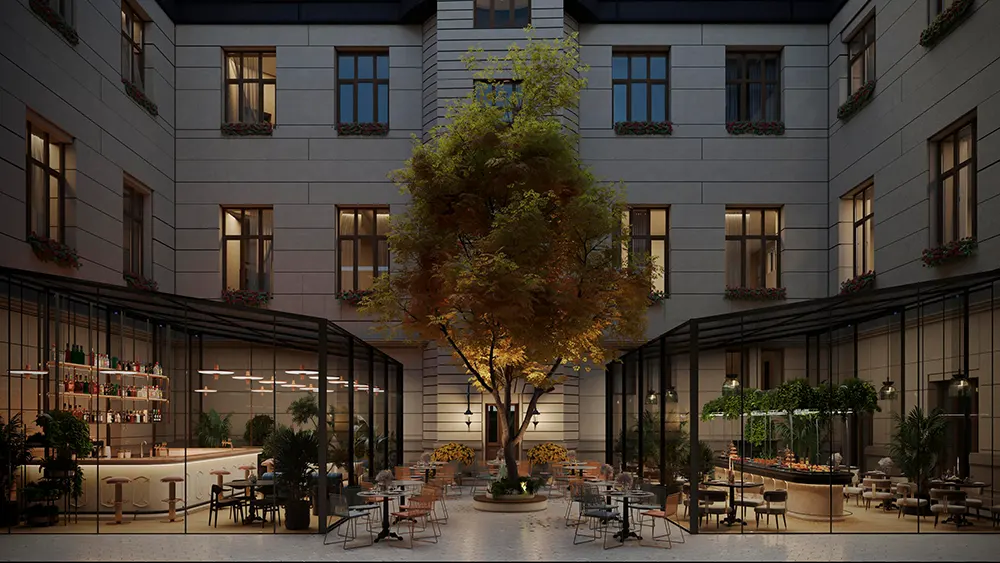
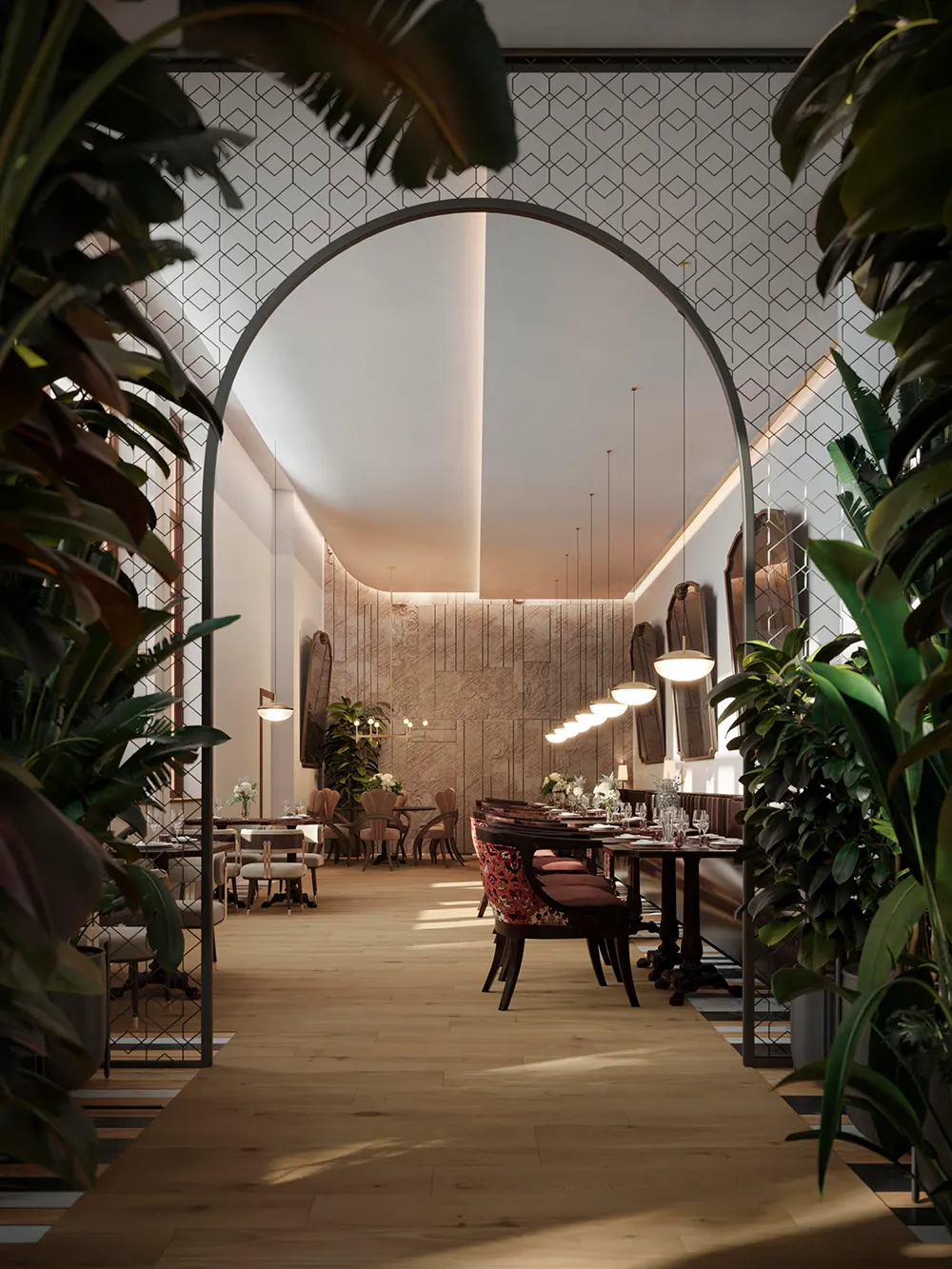
Bucharest’s identity as “Micul Paris,” or “Little Paris,” informed the direction. Early French architectural and cultural influences shaped the city’s past, while Soviet-era structures and historic sites define its present. Ran & Morris approached the project as “story catchers,” according to Morris Algazi. “We dig deep to find the authentic story of the culture and everything that once thrived in a building, a neighborhood, and a city.”
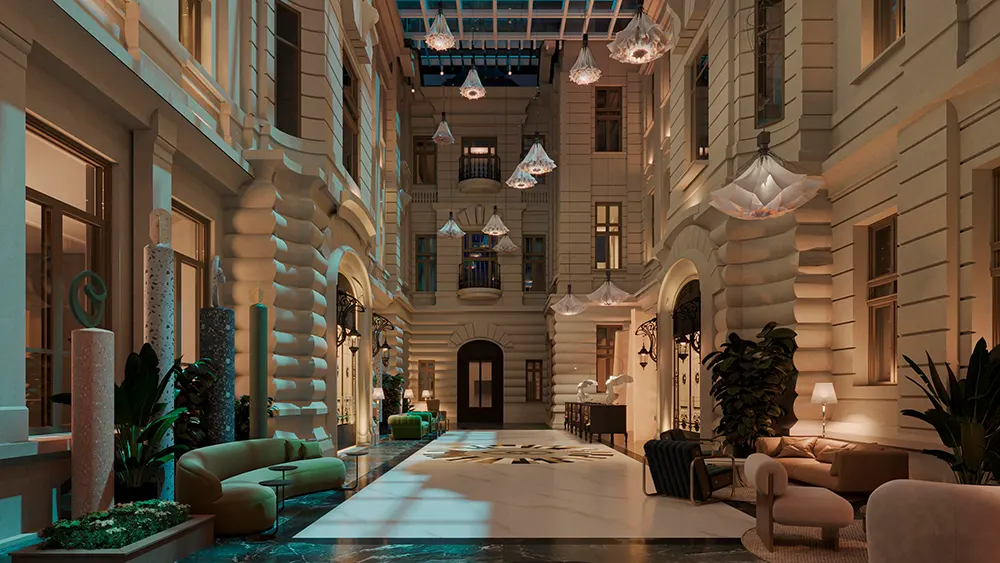
The team won the mandate through an international proposal process and began unifying the two buildings, constructed in the late nineteenth and early twentieth centuries by the same architect. Their structural alignment simplified the process. Working alongside Romanian firm Cumulus, Ran & Morris connected the structures through enclosed passageways and redefined circulation. A former rear servicing courtyard became the hotel’s main entrance. A 14-meter-high skylight now covers the passage between buildings, forming a central lobby that emphasizes vertical scale while preserving original features. Both structures gained an additional fourth level to accommodate new functions.
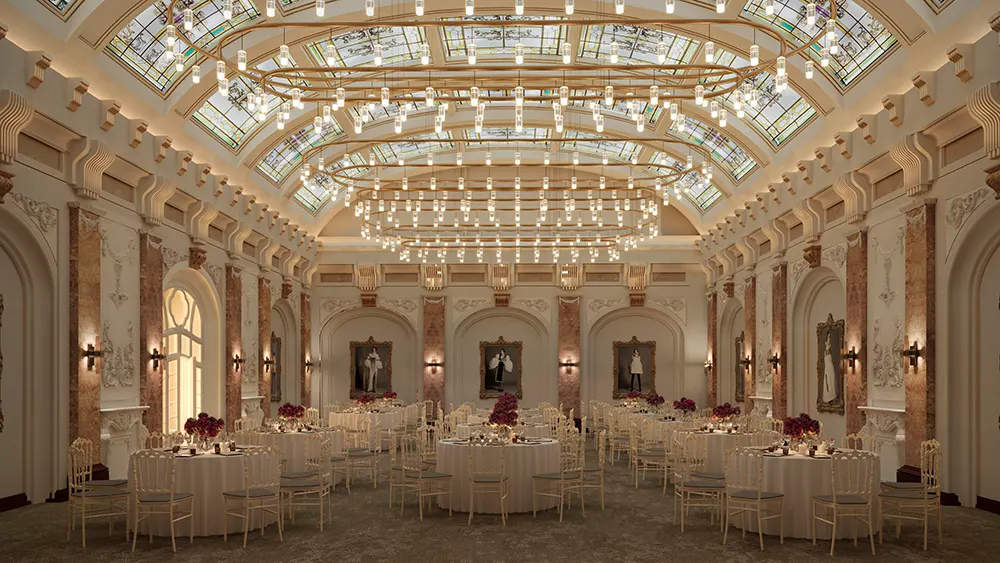
The site’s history includes its evolution from elite residence to bank. Ran & Morris transformed a former exhibition space into a multipurpose ballroom designed for fashion shows, concerts, and events. Adjustable lighting and flexible layouts allow varied configurations.
The lobby reflects an updated view of hospitality. The designers proposed a dynamic environment that draws guests beyond waiting. Inspired by a Paris street scene, the space incorporates a café-style setting, seating clusters, and kinetic lighting fixtures suspended across the ceiling. The lighting heightens the sense of scale beneath the skylight and activates the space visually.
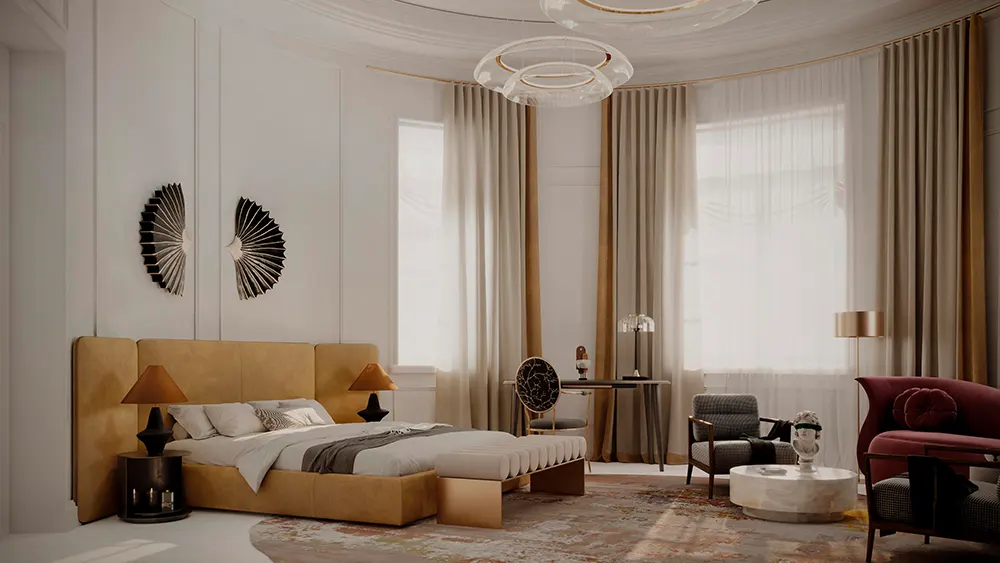
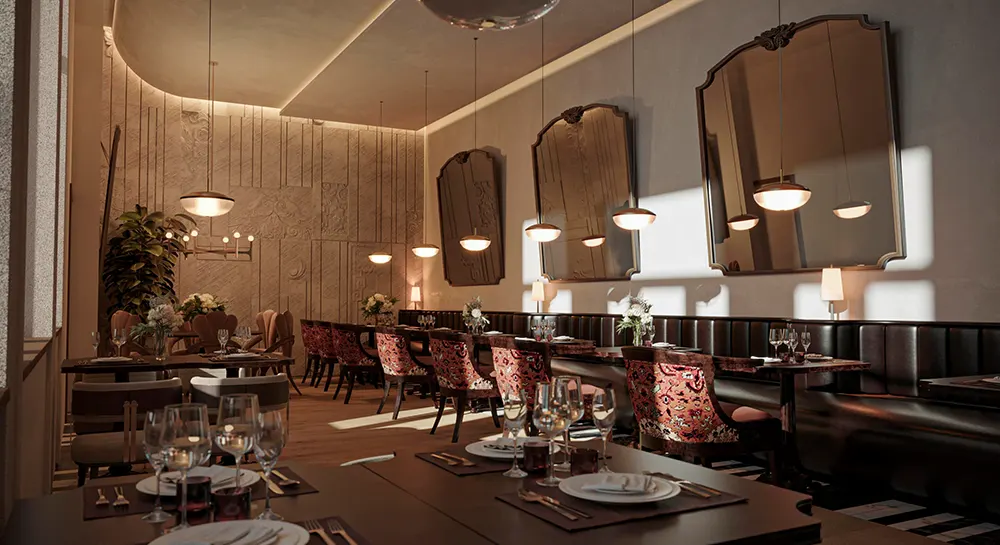
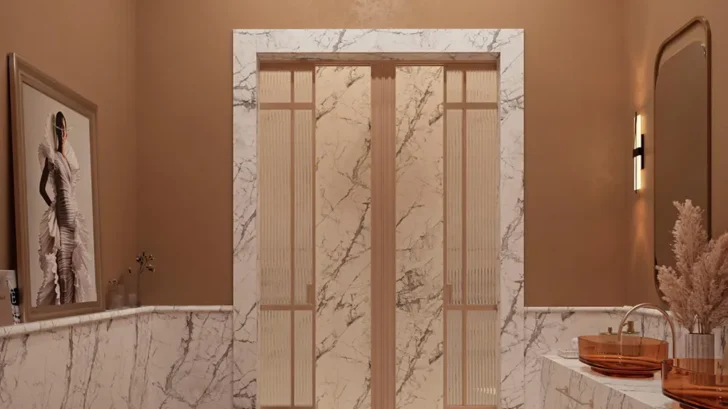
Soft curves, sculptural forms, and warm tones respond to preserved facades and ornamental stonework. Limestone-inspired palettes, brushed brass, and muted shades reflect the city’s architectural character. Neo-classical motifs appear alongside bespoke Parisian furnishings dressed in textiles referencing Romanian culture.
Guest rooms retain many original layouts, resulting in varied dimensions and shapes. Vaulted ceilings rise nearly four meters. Some rooms feature marble flooring, others parquet. French furnishings selected in collaboration with Sofitel’s suppliers define the interiors, while locally crafted artistic headboards introduce Romanian detail. The design balances French identity with regional character through focused interventions.
Project: Sofitel Bucharest
Location: Bucharest, Romania
Period: Late 19th century & early 20th century
Status: Design phase
Design: Ran & Morris Creative Partnership
Client / Operator: Sofitel
Photography: MOD Studio