
Henning Larsen welcomes Vanessa Kassabian as Design Director of its New York studio, a strategic appointment that strengthens the internationally acclaimed practice’s creative leadership across the Americas. Working alongside Americas Director Eric Ball and Design Director Daniel Baumann, Kassabian brings more than two decades of architectural expertise to a studio committed to translating Scandinavian design principles within American urban contexts.
Her portfolio speaks for itself. As Principal and Global Design Leader at DLR Group, Kassabian oversaw transformative projects including Vanderbilt University’s new Lab Building and the Paley Center for the Arts renovation. Prior leadership positions at MVRDV and Snøhetta produced internationally recognized work, the Calgary New Central Library, SFMOMA Expansion, and the National September 11 Memorial Museum Pavilion among them. Each project demonstrates her capacity for navigating complex cultural, technical, and emotional terrain while delivering architecture that resonates with communities.
Beyond practice, Kassabian maintains deep academic roots. She has served as studio instructor at Parsons The New School and guest critic at Cornell University, Pratt Institute, and the University of Pennsylvania. A registered architect in New York, Florida, and Texas, she holds LEED accreditation and degrees from Pratt Institute and Tulane University.
In this exclusive conversation with ARCHISCENE Editor-in-Chief Zarko Davinic, Kassabian discusses her vision for Henning Larsen’s American presence, the intersection of Scandinavian design ethos with New York’s density and diversity, and how architecture can address the climate crisis and social inequity shaping contemporary urban life.
How do you see Henning Larsen’s Scandinavian design ethos evolving within the unique context of New York City’s architectural landscape? – The design ethos at Henning Larsen is rooted in human-centric, context-driven architecture, creating spaces with natural light, openness, and community. In New York, it evolves to respond to a city that is dense, vertical, and multicultural.
While the scale differs from Copenhagen, both cities share vibrant streets and historic waterfronts. Areas like Gowanus in Brooklyn, where revitalization is reconnecting communities to the water, show the potential for architecture to strengthen those connections.
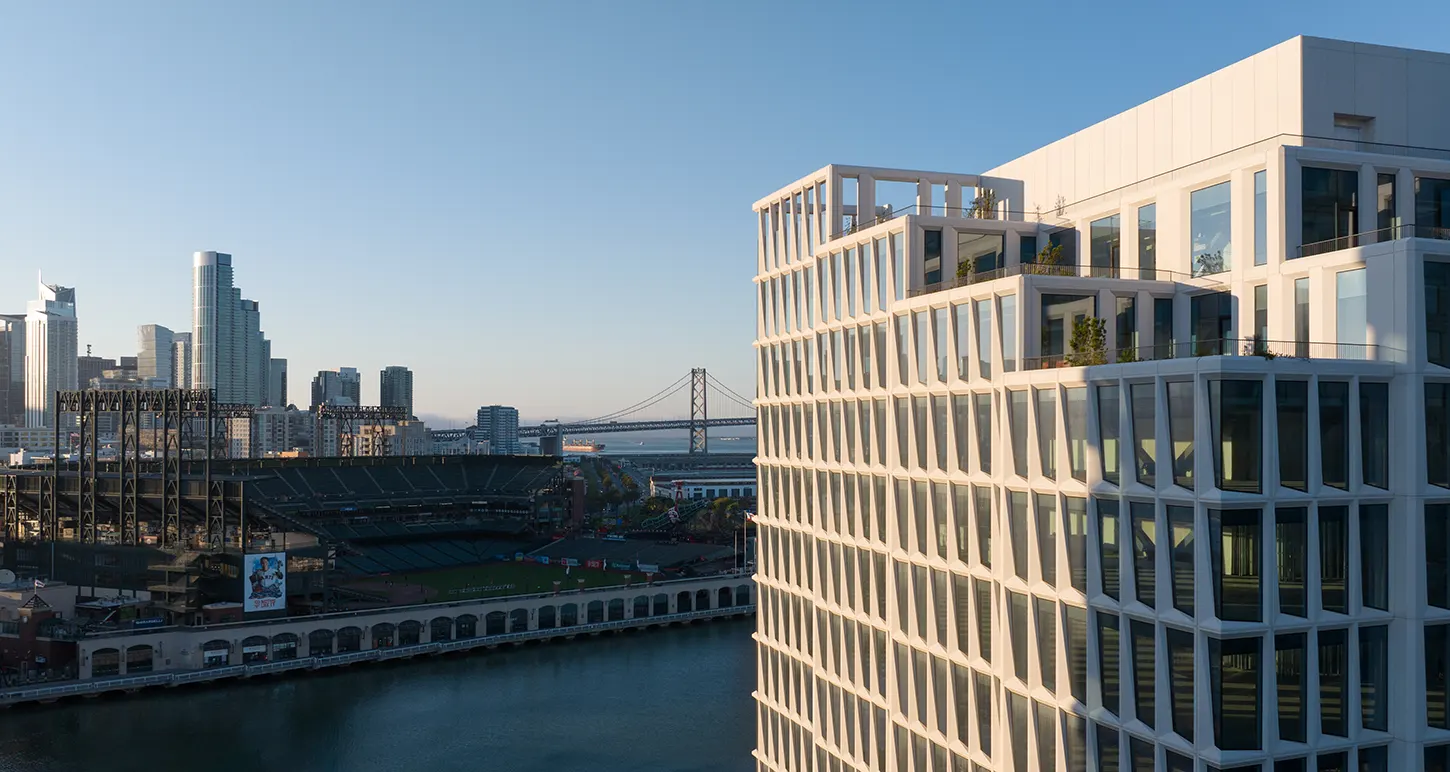
For me, it’s a dialogue: bringing Danish design values while responding to New York’s density, diversity, and zoning to create spaces where people can live, play, and work. Our design choices are deliberate and informed by context: from microclimate analysis and environmental modeling to prototyping new materials and exploring social impact, we test our ideas to ensure they achieve meaningful outcomes for people and place.
Material research and sustainability are central to our work. Projects like KlimaKover and Farm to Home let us prototype new approaches here in New York, from timber design to ecosystem integration, which we hope to bring to larger educational and housing projects.
What are your immediate priorities for the New York studio as you step into this leadership role, and how will you shape its design agenda? – This is an exciting time for Henning Larsen in the US. The New York studio has been open for eight years, a blink in comparison to the studio’s 65-year heritage, and we already have an impressive portfolio of completed projects, buildings under construction, and projects in design.
My immediate priorities are to strengthen the studio’s visibility in North America and expand our focus on cultural and adaptive reuse projects. Working closely with Daniel Baumann and Eric Ball, I’m excited to nurture the studio culture where diverse perspectives come together. Having worked in international Scandinavian and Dutch studios here in New York, I understand the value of bridging cultures and contexts.
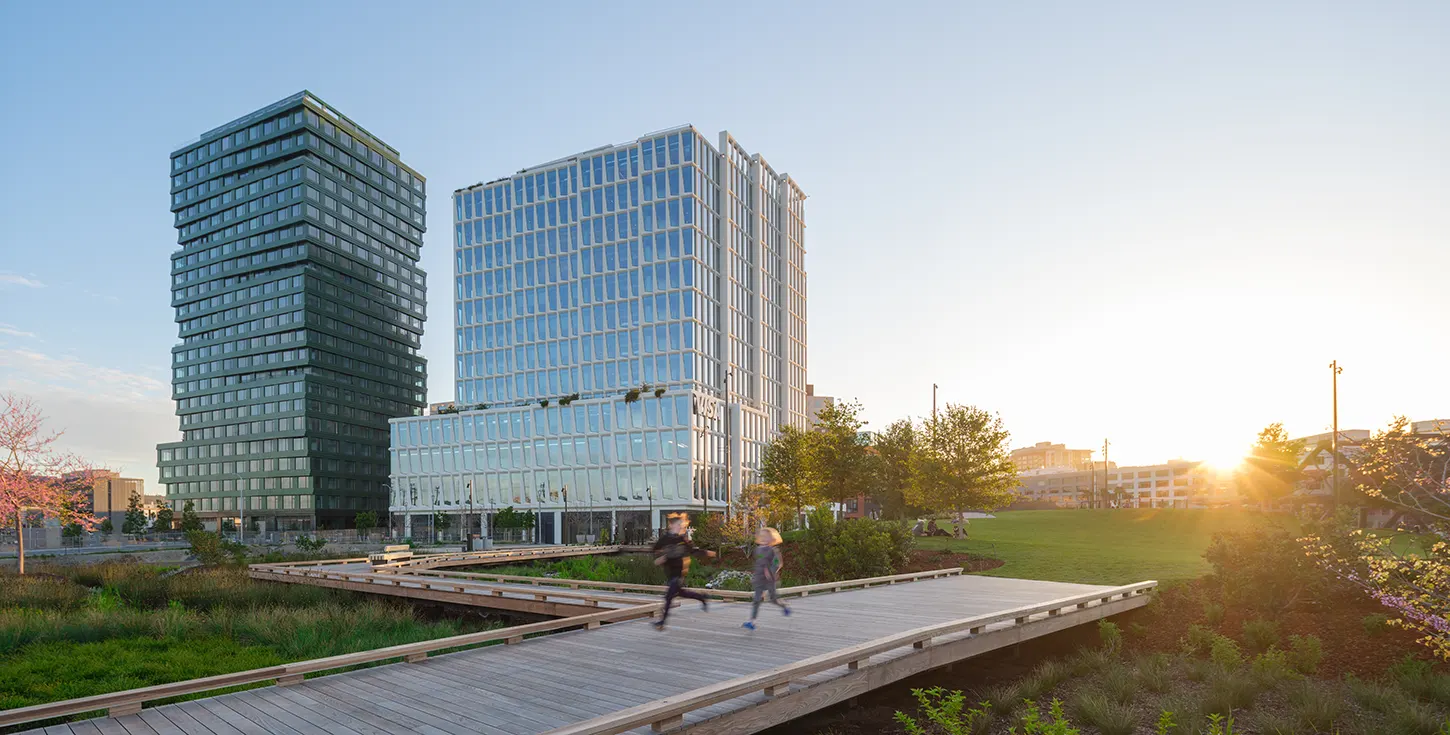
New York is a city defined by its dynamism and density. How do you envision Henning Larsen’s work contributing to the future of urban life here? – New York’s density is both a challenge and an opportunity. I’m excited by architecture and urban design’s potential to soften the city’s hard edge to make it more human, more livable, and more connected. That means designing buildings, plazas, and streets that encourage walking and social interaction, creating pockets of calm and openness amid the city’s energy.
Bringing nature into dense urban areas, from green roofs and public parks to biophilic design and resilient infrastructure, shows that even with limited space, there is real potential for neighborhoods to feel vibrant, equitable, and alive for the people who live and work there.
Having played a role in the National September 11 Memorial Museum Pavilion, how did that experience inform your approach to designing in New York’s culturally sensitive and high-profile environments? – Working on the 9/11 Memorial and later the Pavilion with Snøhetta was profoundly formative. These projects required navigating immense emotional, cultural, and technical complexity, collaborating with city agencies, families, first responders, and multiple design teams.
The experience taught me the importance of empathy in architecture, creating spaces that respect collective memory, provide personal reflection, and community healing. It reinforced that in sensitive, high-profile projects, the architect’s role extends beyond building design to facilitating dialogue, resilience, and meaningful public experiences.
Having helped grow global design studios in the US, I’ve seen how collaboration across disciplines and offices enhances creativity and ensures architecture responds effectively to complex urban challenges.
Henning Larsen is known for advancing sustainability and environmental responsibility. How will you translate these principles to New York projects, given the city’s unique challenges and opportunities? – Well, we’re already exploring these ideas here in New York. Projects like KlimaKover and Farm to Home give us a chance to prototype local solutions, from resilient cooling structures to experimenting with new materials, and we’re thinking about how these approaches could scale across the city. With challenges like flooding, urban heat, and limited green space, we look beyond individual buildings to consider how urban infrastructure, ecosystems, and public spaces can work together.
Material experimentation is central to this approach. Starting with Feldballe School in Denmark, continuing with BESTSELLER Logistics Center West in the Netherlands, and now with Farm to Home here in New York, we’ve tested low-carbon solutions like compressed straw panels, exploring their structural, thermal, and aesthetic performance. These experiments help us create buildings that are circular, resilient, and human-centered.
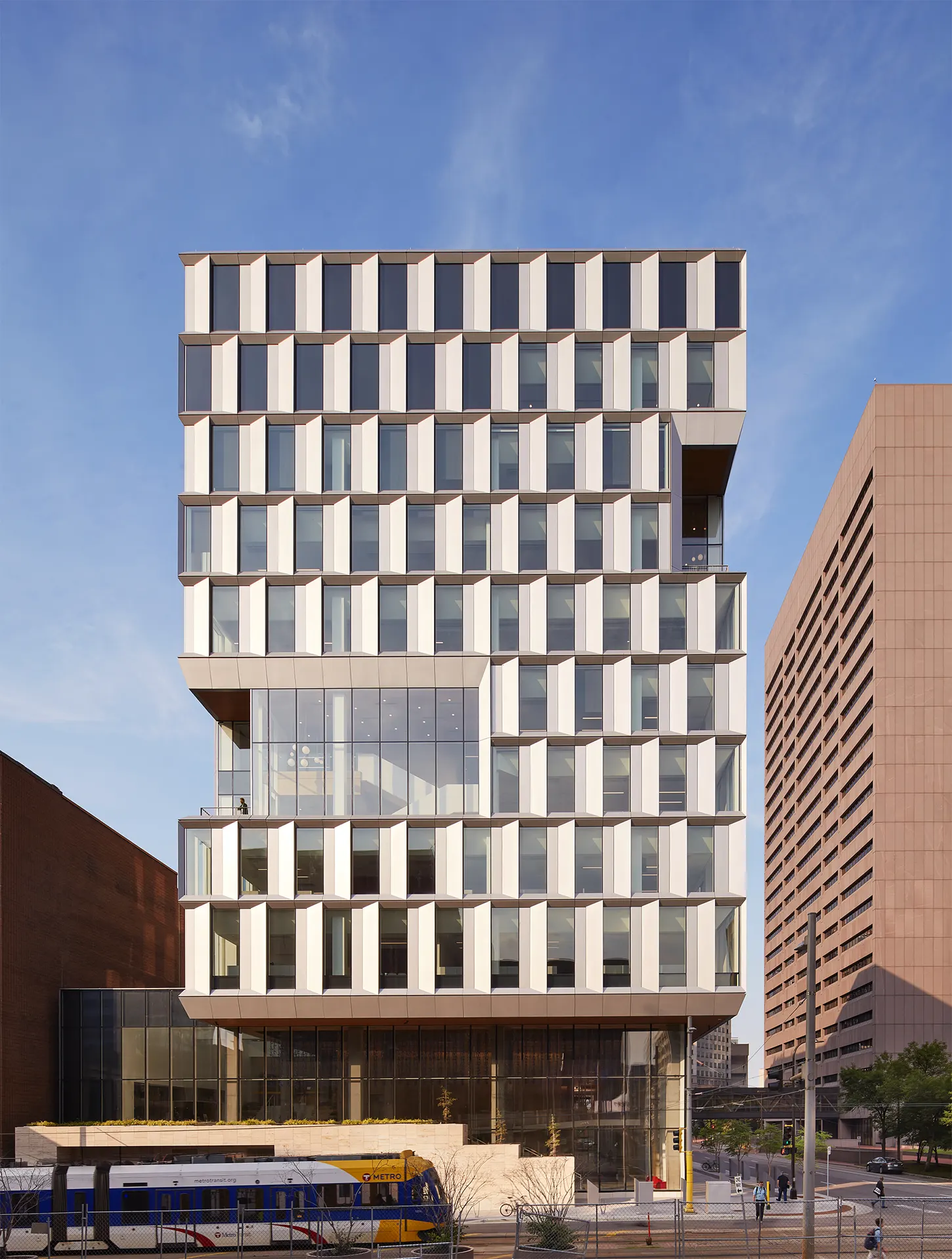
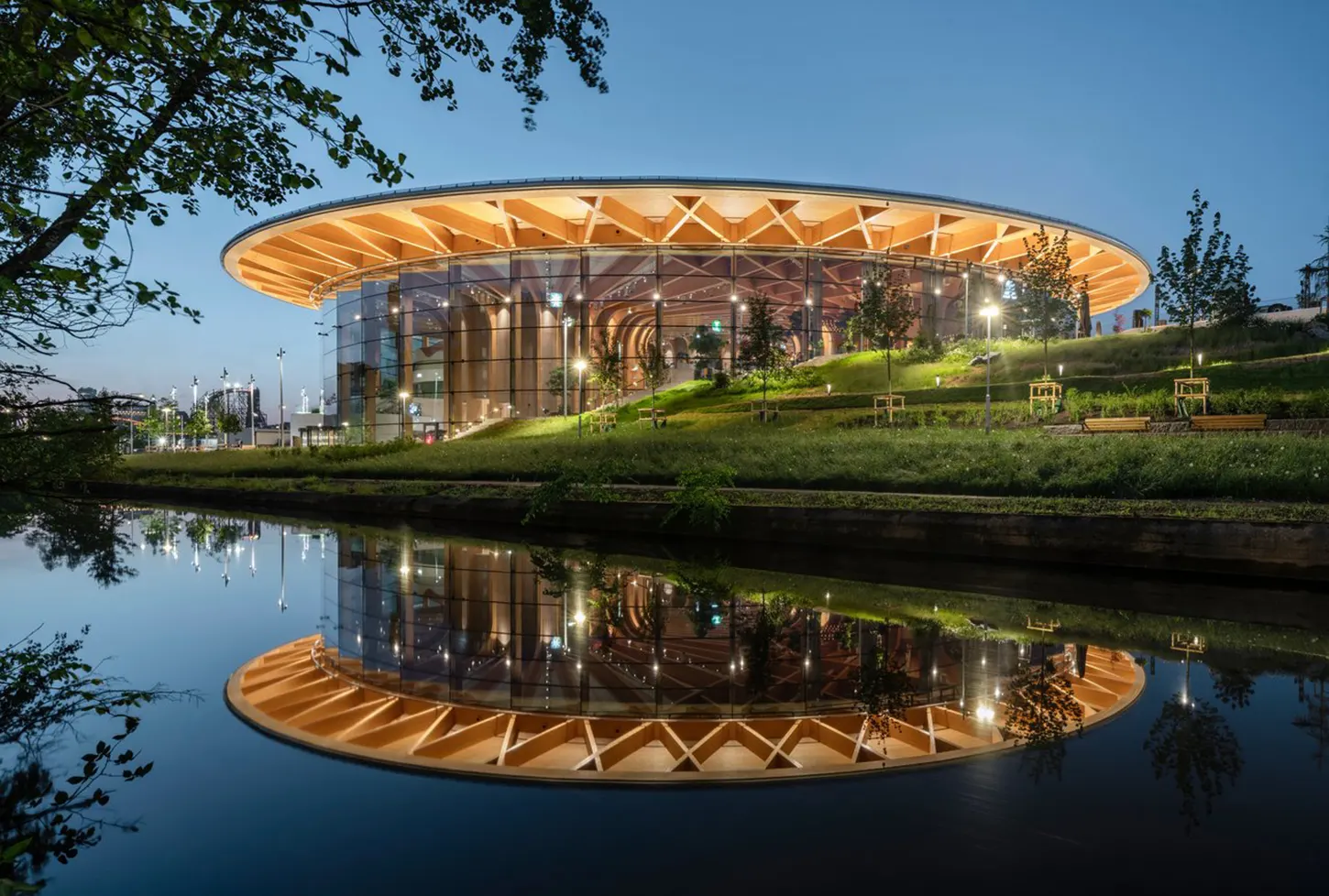
We also take inspiration from global projects. For example, Queensland University of Technology Peter Coaldrake Education Precinct in Brisbane, where natural light, and flexible learning spaces come together to support well-being, and the World of Volvo experience center in Gothenburg, a timber building designed to embody the brand’s Scandinavian principles. What we learn internationally guides how we approach projects here, and equally, what we discover with our projects here feeds back into our global practice.
The biggest challenges are the climate crisis and social inequity. Buildings account for over 65% of the city’s carbon emissions, making energy efficiency, retrofitting, and decarbonization essential.
In your view, what are the most pressing societal or environmental issues New York architects must address today, and how can design make a meaningful impact? – The biggest challenges are the climate crisis and social inequity. Buildings account for over 65% of the city’s carbon emissions, making energy efficiency, retrofitting, and decarbonization essential. Climate resilience is equally important, from flood protection to heat-mitigation strategies.
Socially, the affordable housing shortage and the need for inclusive, healthy public spaces are huge. Co-creation through community engagement and inclusive design is the way we can facilitate design which has the most meaningful impact.
You’re joining a studio that values collaboration and mentorship. How do you plan to foster emerging talent and a collaborative culture within the New York team? – I believe in open communication and shared learning. Leadership should be accessible for mentorship, while younger designers bring fresh skills and perspectives, especially around new technologies.
We support this with mentorship, skill-sharing, and structured experimentation. Initiatives like Henning Labs let teams explore ideas beyond day-to-day projects, while workshops and knowledge-sharing across global studios connect people and practices. When people feel supported, emerging talent thrives, and the studio becomes a creative community.
With your background at global firms like Snøhetta and MVRDV, what best practices from those experiences will you bring to Henning Larsen’s New York studio? – I bring a research-driven, integrated approach to design, covering architecture, urban design, landscape, and sustainability, shaped by working in diverse international contexts. Having helped grow global design studios in the US, I’ve seen how collaboration across disciplines and offices enhances creativity and ensures architecture responds effectively to complex urban challenges.
What sets Henning Larsen apart is the culture itself: there’s a generosity of perspective, curiosity, and a genuine commitment to giving everyone a voice. Decisions aren’t just top-down, ideas are debated, tested, and shaped collectively. That collaborative, open environment allows the New York studio to thrive while staying true to the global philosophy, ensuring our work is thoughtful, evidence-based, and responsive to both local context and larger urban challenges.
I hope to work on projects that prioritize community well-being, sustainability, and civic engagement, showing that architecture can create lasting impact.
New York’s clients and communities are incredibly diverse. How will you approach building trusted relationships and ensuring that projects resonate with local needs and identities? – It starts with listening and engaging. Having lived in New York for over 25 years, I’ve seen how the city’s diversity and energy shape the way people live and work. Our studio reflects that diversity, making working here deeply fulfilling.
Co-creation, transparency, and empathy are essential, and we plan for adaptability because the city’s needs are constantly evolving. This approach ensures projects reflect the people who use them, build trust, and create meaningful, resilient spaces.
As someone who’s both led major projects and taught at top architecture schools in New York, what excites you most about this next chapter, and how do you hope your leadership will be felt both inside and outside the studio? – Inside the studio, I’ll champion collaboration, mentorship, and innovation, ensuring team members have clear growth pathways and feel empowered. Outside the studio, I hope to work on projects that prioritize community well-being, sustainability, and civic engagement, showing that architecture can create lasting impact.
For latest from Henning Larsen log on to henninglarsen.com.