
The defining interior design trends 2027 will not be a single color or a hero object. They point to a change in what a home is for. After a decade of white walls and screen-first living, the signals from Milan, from designers and from recently completed apartments agree on one thing: interiors are getting warmer, denser and more personal.
The End of the Neutral Shell
Reporting from Milan Design Week 2026 described a clear move away from crisp white and cool grey. Interiors blog Eat Live Escape summarized the Salone del Mobile palette as earthy: brown, ochre, terracotta, moss green and warm beige, with burgundy, aubergine and chocolate added for depth. The same piece argues that the idea of a neutral has widened to include clay, taupe, caramel, tobacco and olive.
That fits what Homes & Gardens reported on October 2, 2026, when it asked designers what will define 2027. The publication’s summary was that next year’s trends “centre around feeling rather than fashions.”
Color Becomes Architecture
The most useful idea in the 2027 forecasts is not a shade but a method. Tonal, layered schemes, sometimes called hue-drenching, wrap walls, joinery and upholstery in related tones so that color behaves like structure instead of decoration. London designer Caroline Riddell used this approach in a north-facing living room, pairing grass cloth on the walls with mohair on the sofa. “Brown has warmth and depth,” she told Homes & Gardens, noting that the single-color base let her use a bold geometric design without losing cohesion.
Pale green is the quieter counterpoint. Nickey Kehoe, the Los Angeles studio led by Todd Nickey and Amy Kehoe, favors paint “slightly to left or right of the known color,” and suggests pairing a subdued mint with smoky ebonized or rich brown wood. The result is a neutral with a pulse.
Restraint With a Tactile Edge
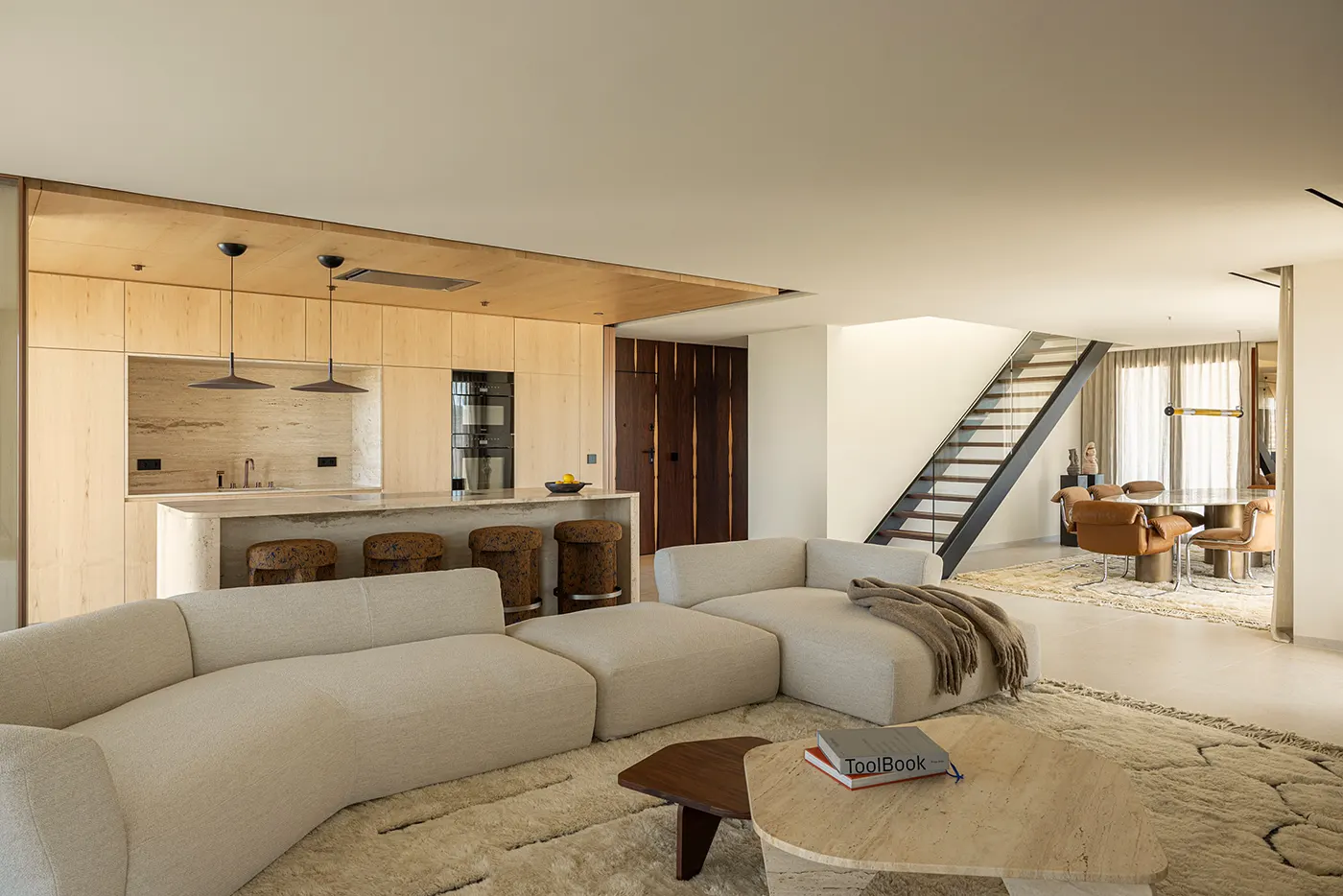
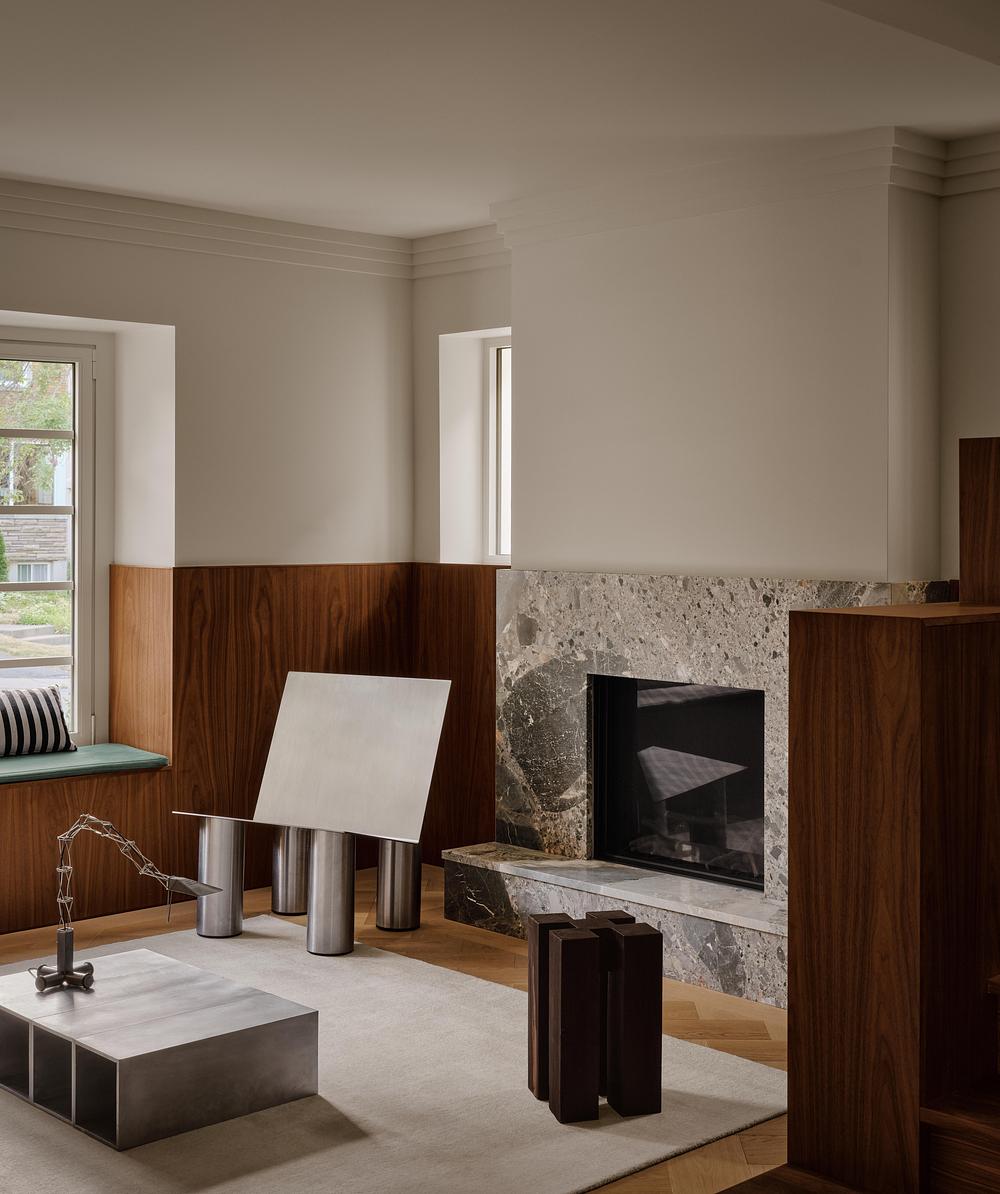
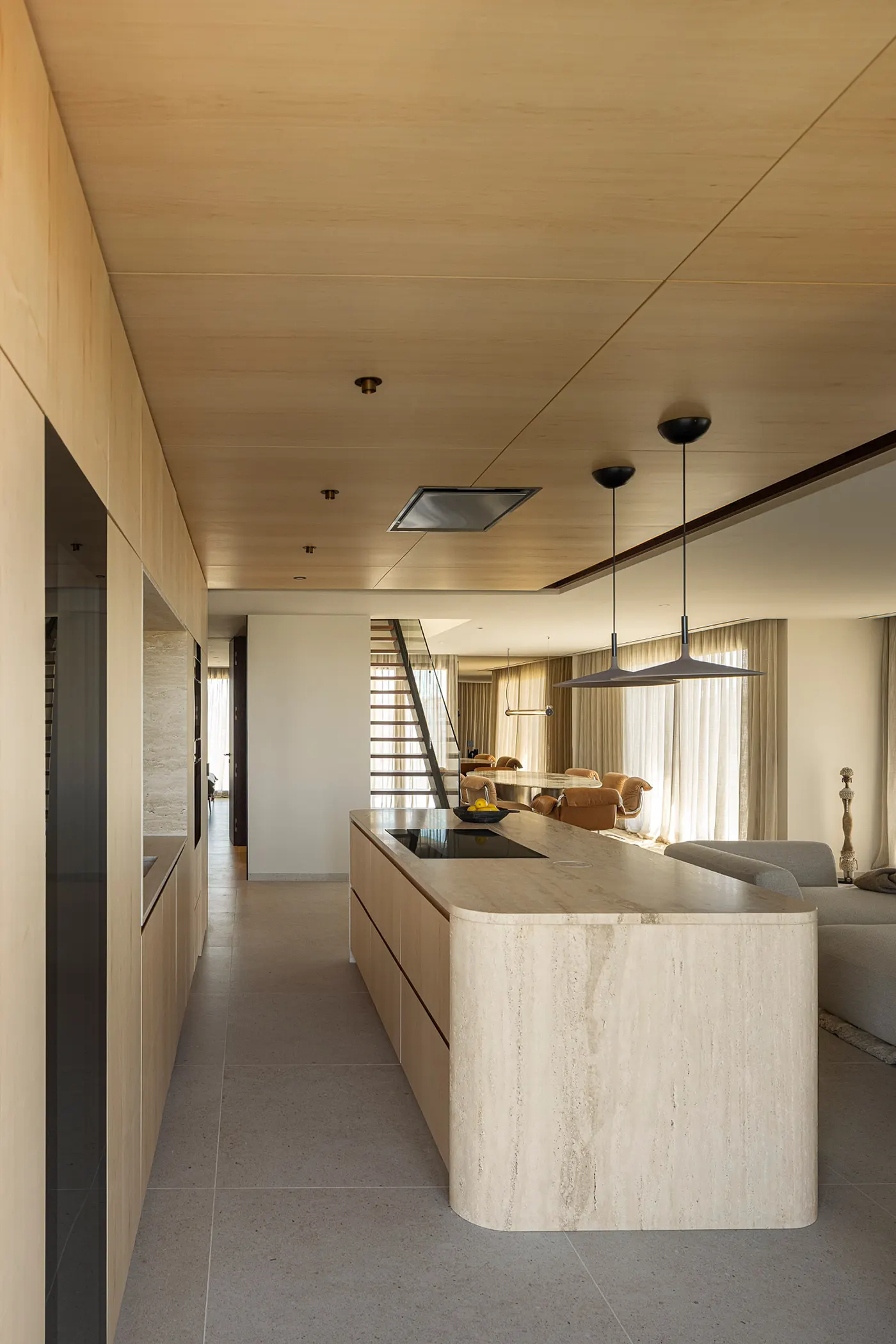
Minimalism is not disappearing, but it is becoming more physical. A recent ARCHISCENE project feature makes the case: in Umber Duplex in Lisbon, ID Concept sets deliberate restraint against intensely grained timber, travertine, Berber rugs and African art. In Montreal, Atelier Barda treats the character of a 1937 house as an asset to be tuned in Residence Beloeil. Both projects keep the calm of minimalism and add the warmth that 2027 forecasts keep asking for.
This is the useful distinction for 2027. The question is no longer whether a room is minimal. It is whether a minimal room has enough material intelligence to feel lived in.
The Analogue Room
Perhaps the most telling forecast is also the least visual. Homes & Gardens identifies “analogue” spaces (book nooks, art studios, game rooms) as a rising priority for people who want time away from screens. Designer Roisin Giese of Twelve Chairs Interiors built a game room around a client’s board game collection, wrapped in bespoke joinery. She also noted that clients often ask for “dumb” homes that are intuitive to live in, because fancy new technology “isn’t as appealing.”
For architects and designers, the implication is spatial. Programs that once disappeared into a spare room, such as reading, making and playing, are becoming deliberate destinations with their own joinery, lighting and acoustics.
Kitchens Soften, Pantries Perform
The same designer survey points to kitchens behaving more like living rooms. Emma Sims Hilditch, founder of Sims Hilditch, described designing so one partner can relax and talk while the other cooks. Pantries, once back of house, are being styled as features. Liv Taylor of Yellow London said people increasingly want to show off kitchen equipment, larder staples and cookbooks instead of hiding them behind solid doors.
Indoor and Outdoor Stop Being Separate Categories
Habitus reported that Milan’s strongest launches favored comfort, longevity, adaptability and atmosphere over novelty. Talenti, founded as an outdoor furniture company, used the fair to present Talenti Home, treating indoor and outdoor as one continuous living environment. Molteni&C expanded its outdoor world with Vincent Van Duysen‘s Soleva family, while Herzog & de Meuron designed MTM for UniFor, a single system that stretches from tables to sofas using solid wood, travertine and cork upholstery. Furniture is being designed as a system, not an object.
Flexible Plans Over Fixed Rooms
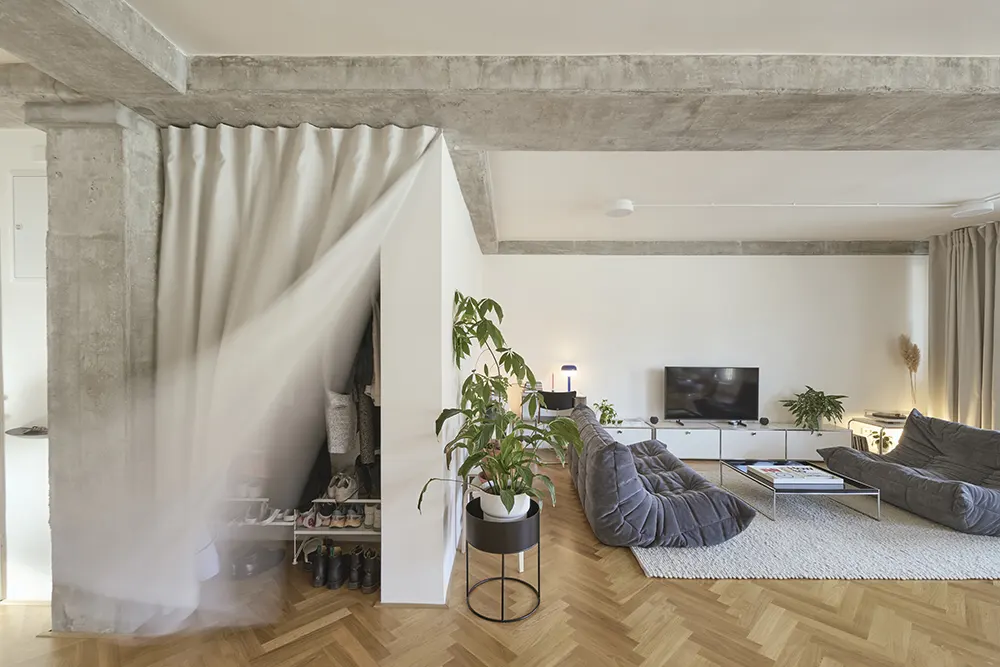
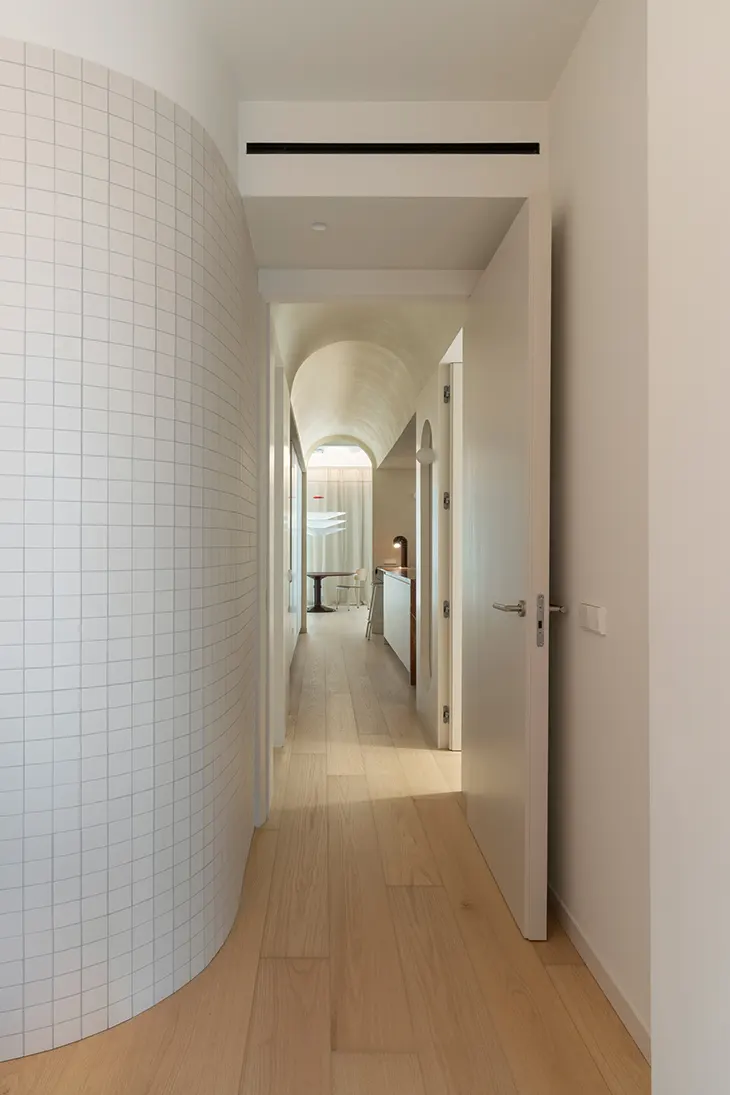
Furthermore, apartment design is following the same logic. RDTH architekti removed almost every partition in its No-Wall Apartment, questioning the assumption that domestic life needs fixed rooms. Montoliu Hernandez took the opposite route in Cirilo Apartment in Valencia, reworking a fragmented 1920 plan to recover light and ventilation. Different tactics, same instinct: the plan should serve the person, not the other way around.
What to Take From 2027
Finally, strip away the paint charts and the pattern is consistent. Warmer color, tactile materials, rooms with a purpose beyond screens and flexible plans all describe a home built for presence. The most convincing interiors of 2027 will probably look less like a trend and more like a decision: fewer surfaces that perform for a camera, more that reward being touched, used and lived with.