
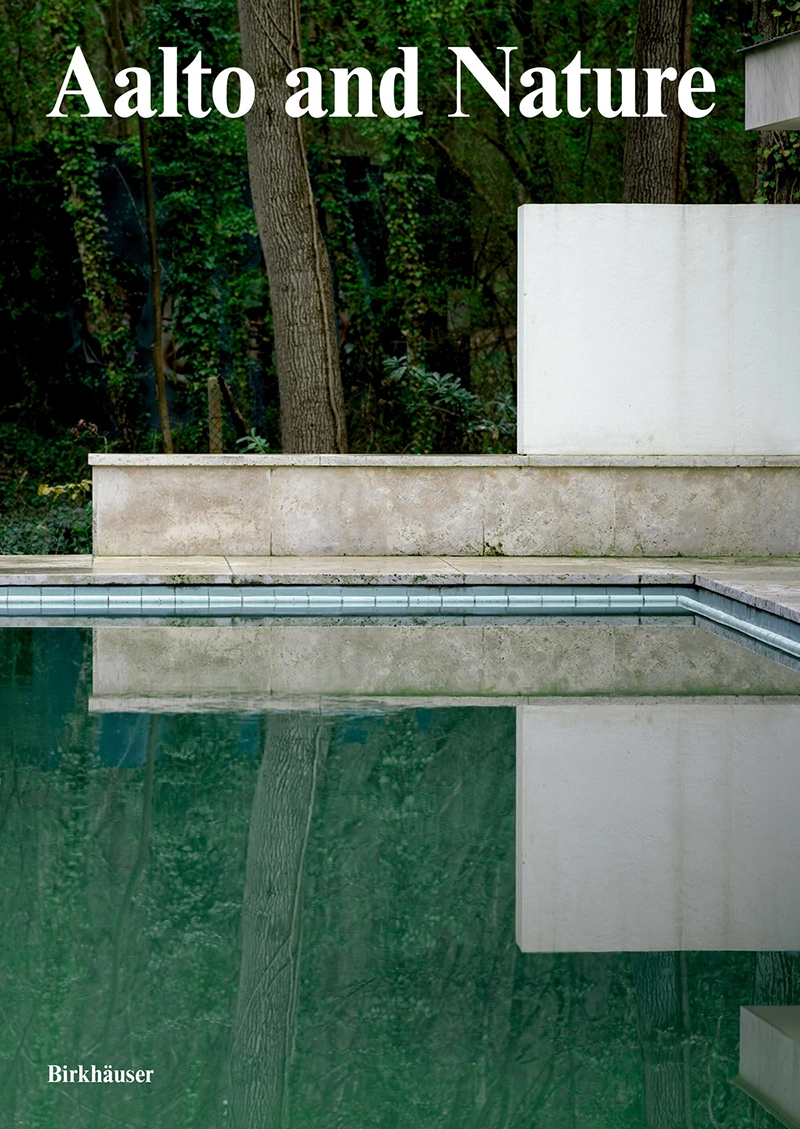
Few subjects offer a clearer route into Alvar Aalto’s architecture than nature. Published by Birkhäuser and edited by Tom Simons and Rainer Knapas, Aalto and Nature examines this relationship through landscape, gardens and the continuous exchange between interior and exterior space. The book approaches nature as an active component of Aalto’s work, extending the discussion beyond the Finnish forests commonly associated with the architect.
BOOKS
Aalto’s experience of Finland provides an essential starting point. The country’s deep forests informed his understanding of material, space and the relationship between buildings and their surroundings. Yet the book widens this familiar reading through Aalto’s travels to the Mediterranean and the Orient. These encounters introduced another set of references, connecting his work to climates, landscapes and architectural traditions far removed from Finland.
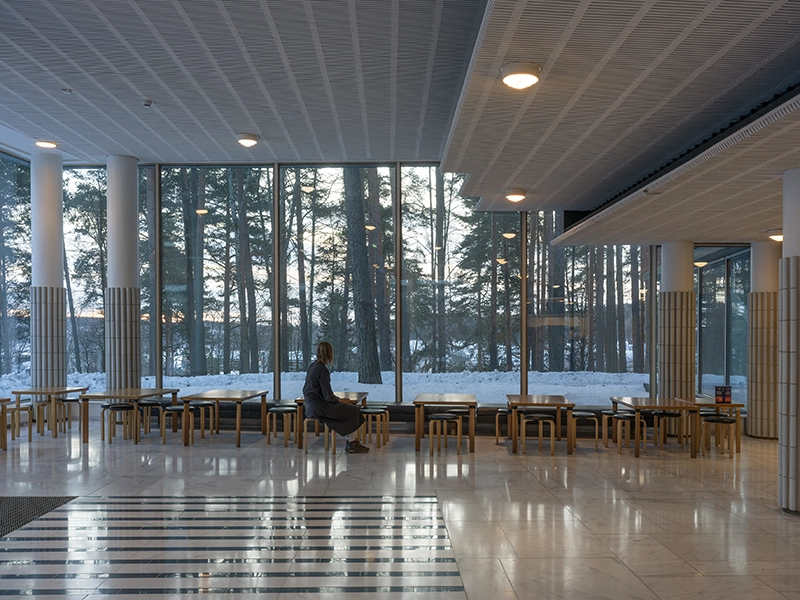
This broader geographical perspective becomes particularly useful in reconsidering Aalto’s practice. Aalto and Nature draws attention to an aspect of his work that receives less attention: his activity as a landscape architect. Architecture and landscape could develop as parts of the same project, with gardens carrying architectural significance of their own.
Villa Mairea provides a key example. Aalto developed its garden together with the architecture as a Gesamtkunstwerk, treating the house and its surroundings as components of a unified work. The project offers an important framework for understanding the book’s larger argument. Exterior space enters the architectural experience directly, while interiors maintain a close relationship with vegetation and the surrounding environment.
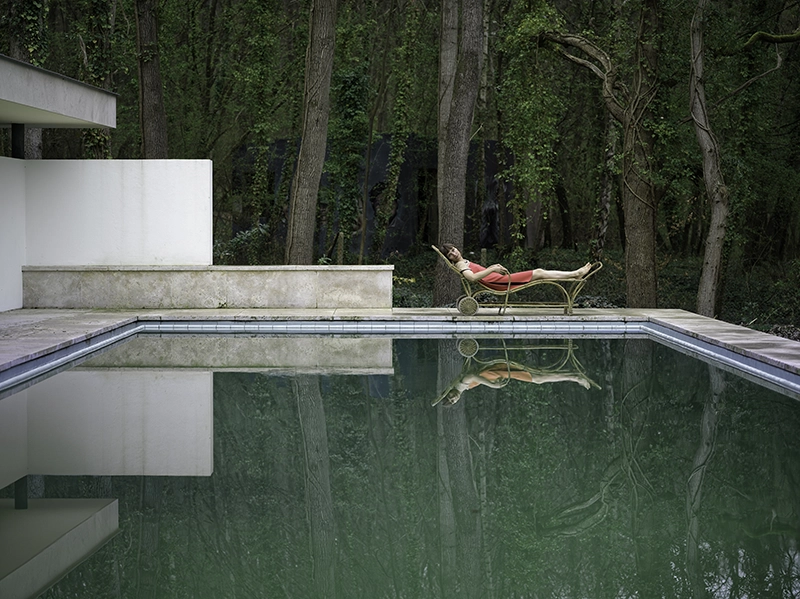
The essays explore Aalto’s garden art alongside the influence of Mediterranean landscapes on Elissa, Aino and Alvar Aalto. This inclusion of Elissa and Aino adds another dimension to the subject, placing the relationship between architecture and nature within the broader creative practice surrounding Aalto’s work. The Mediterranean material also complicates an exclusively Nordic interpretation of his architecture, showing how experiences gathered through travel contributed to its development.
Photography plays a substantial role in the volume. Elina Brotherus produced most of the photographs specifically for the book, documenting the characteristic relationship between Aalto’s interiors and exterior spaces as well as the Finnish environment itself. Her images give the publication a contemporary visual perspective instead of relying entirely on archival documentation.
This photographic approach suits the subject particularly well. Aalto’s relationship with nature depends heavily on spatial transitions: what appears through a window, how an interior opens toward vegetation, and how architecture responds to its immediate surroundings. Brotherus’s photographs allow these relationships to become part of the book’s argument alongside the written essays.
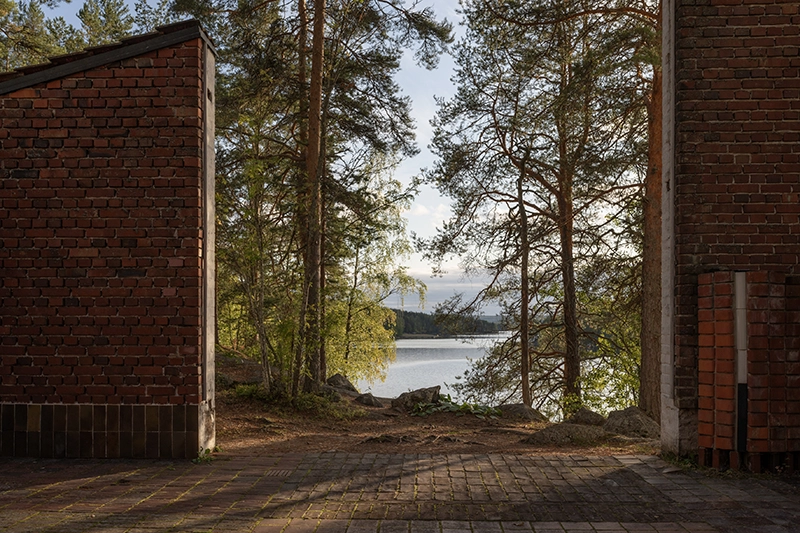
The editorial pairing also brings complementary expertise to the publication. Tom Simons is Professor Emeritus of Landscape Architecture at Aalto University in Helsinki, while Rainer Knapas is a Helsinki-based historian and Aalto expert. Their focus places landscape architecture firmly within the discussion of Aalto’s work.
Aalto and Nature ultimately offers a focused reassessment of a familiar architect through a specific subject. By bringing together Finnish forests, Mediterranean influences, garden design, architecture and contemporary photography, the book provides a closer look at how Aalto treated nature as material for architectural thinking.