
MONICS+VIEIRA develops furniture, lighting and objects through a practice shaped between Milan and Dubai. Founded by Tania Monics and Rafaela Vieira, the studio works across collectible design and collaborations with international manufacturers, using material research, sculptural form and contemporary domestic rituals as recurring points of departure. Its collections form part of an evolving body of work in which each object responds to questions of transformation, use and sensory experience.
INTERVIEWS
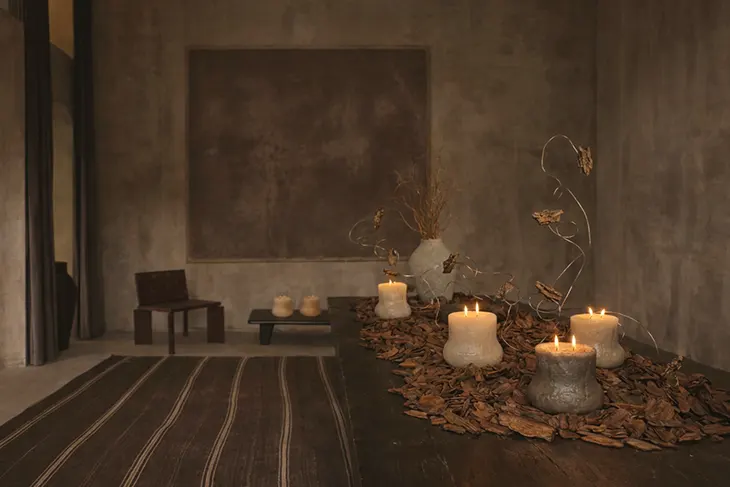
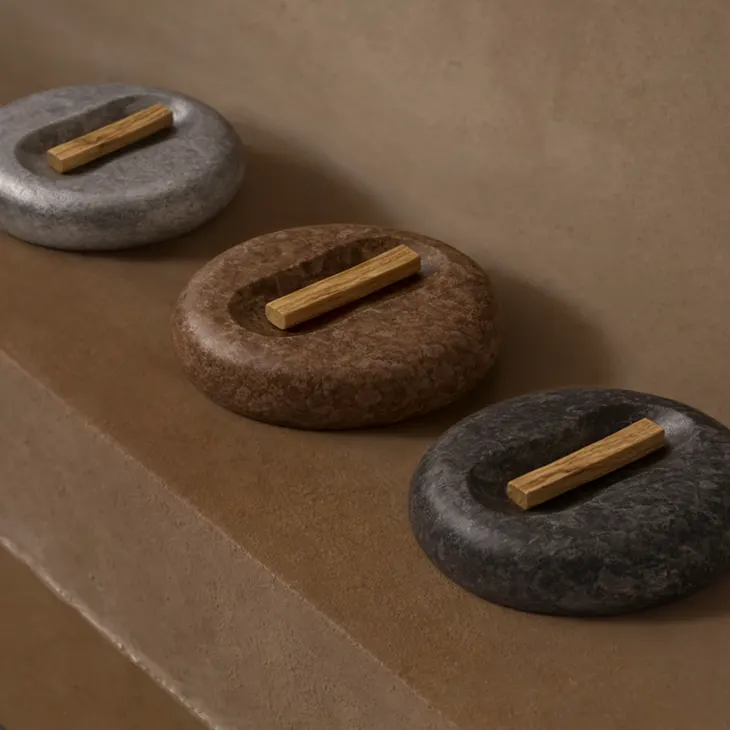
Projects such as Melts Like Butter and Design Rituals examine how familiar processes can inform furniture and objects without limiting their function. One begins with the slow transformation associated with butter making, while the other looks at fire, light and shared moments within the interior. In this interview for ARCHISCENE Magazine, MONICS+VIEIRA discusses the influence of Milan and Dubai, its relationships with artisans and manufacturers, the role of narrative in design, and the ways collectible work and industrial production inform the studio’s wider practice.
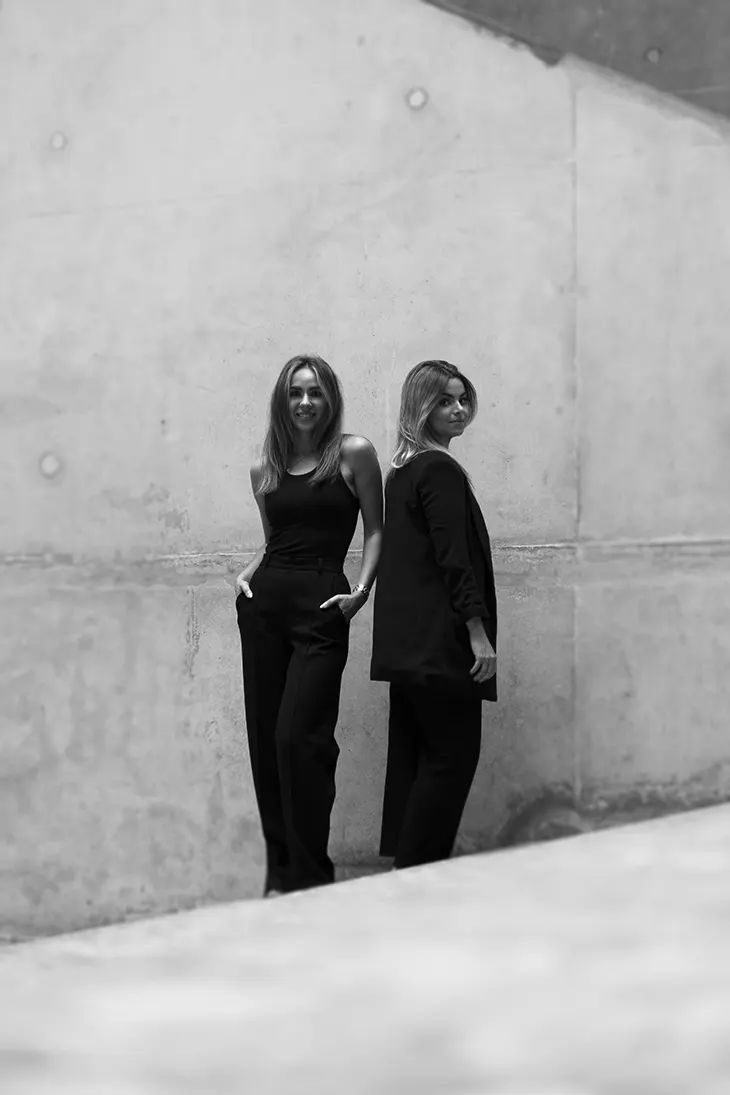
You founded MONICS+VIEIRA as a female-led studio in two cities simultaneously. What drew you both to Milan and Dubai, and how do these two distinct design ecosystems inform your work differently?
We met while completing our Master’s degree at Politecnico di Milano. After graduating, we followed different professional paths, working with international design studios before eventually deciding to build something of our own.
Milan naturally became the foundation of the studio. Living here taught us that design is never just about form; it’s part of a much longer conversation involving craftsmanship, industry and culture.
Dubai entered our journey later and brought a completely different energy. There is a remarkable openness to new ideas, different scales and ambitious projects that constantly challenges us to think beyond established boundaries.
Today, moving between both cities feels very natural. One keeps us grounded, the other keeps us curious.
Even if someone never hears the story behind the collection, the pieces should still feel honest, comfortable and relevant in their own home.
Your collections emphasize material exploration as a core driver. Walk us through your process with a specific material, how do you move from initial discovery to the final object, and what surprises you along the way?
Every project starts with curiosity. Sometimes it’s a material, sometimes it’s a manufacturing process, sometimes it’s a conversation with someone who has spent decades working with the same stone or the same glass.
We enjoy spending time inside workshops because that’s where ideas become more interesting. The people making the objects often know possibilities that don’t exist in books or sketches.
That exchange is a fundamental part of our process. We bring questions, they bring generations of experience, and somewhere in between the project begins to take shape.
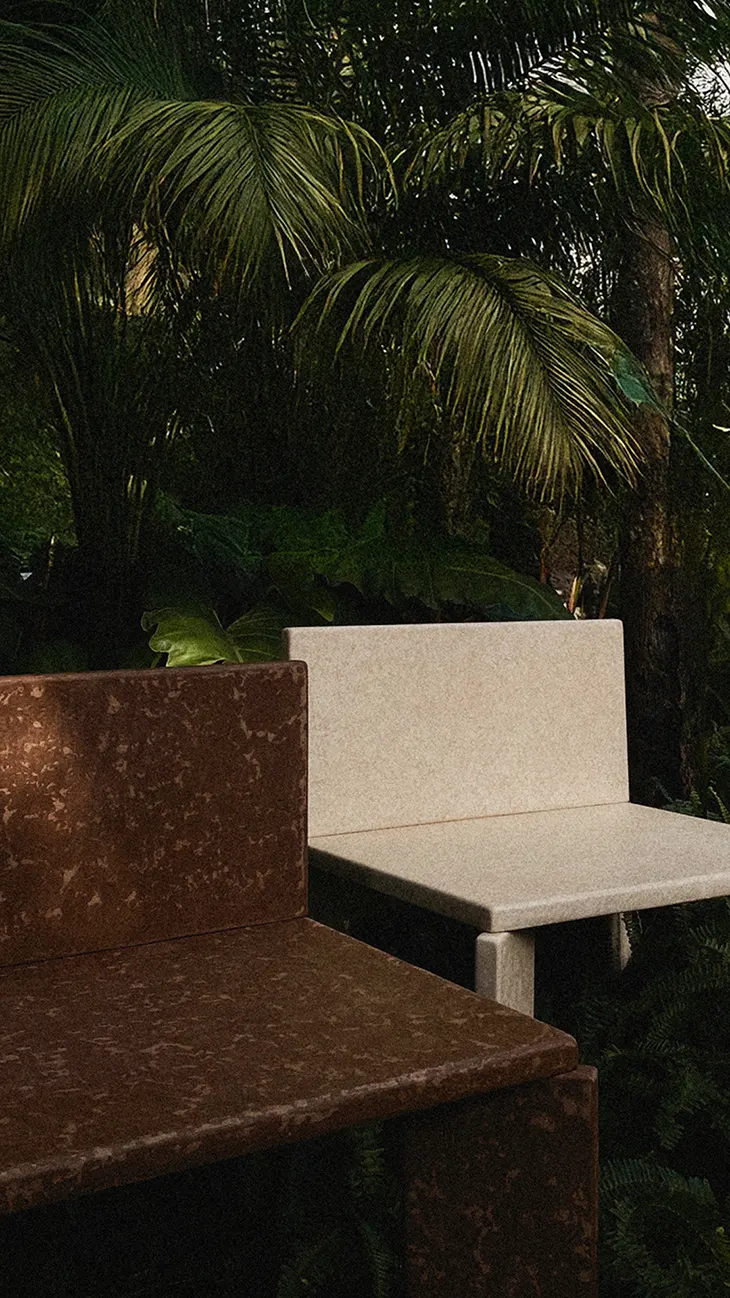
The Butter collection translates a domestic ritual into furniture. What was the moment you decided this everyday process deserved to become design, and how do you ensure the metaphor doesn’t overshadow the functionality of the piece?
The collection actually began around our dining table. We were talking about how many beautiful things happen every day without us really noticing them anymore. “Butter” became one of those conversations. Watching it soften, spread and change shape felt surprisingly sculptural.
What interested us wasn’t the food itself, but the idea that everyday life is full of quiet transformations that rarely receive our attention. The furniture carries that memory, but it should never depend on it. Even if someone never hears the story behind the collection, the pieces should still feel honest, comfortable and relevant in their own home.
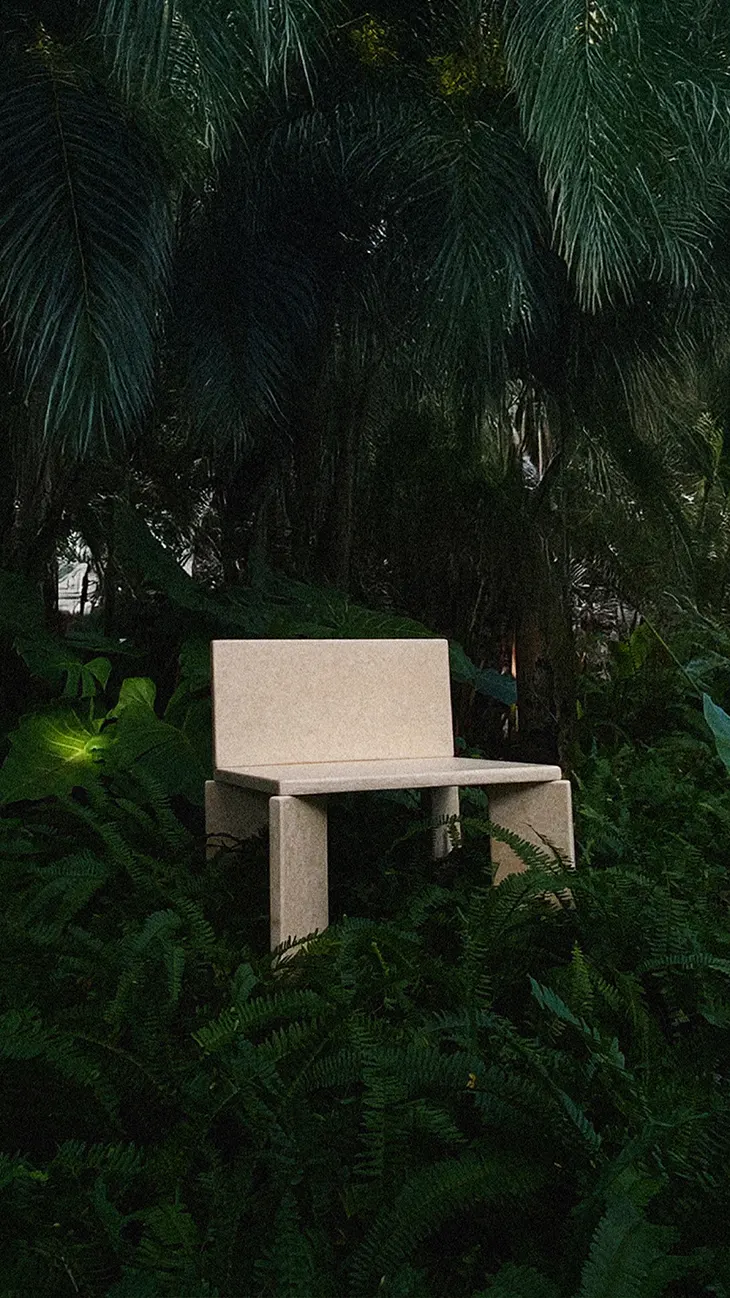
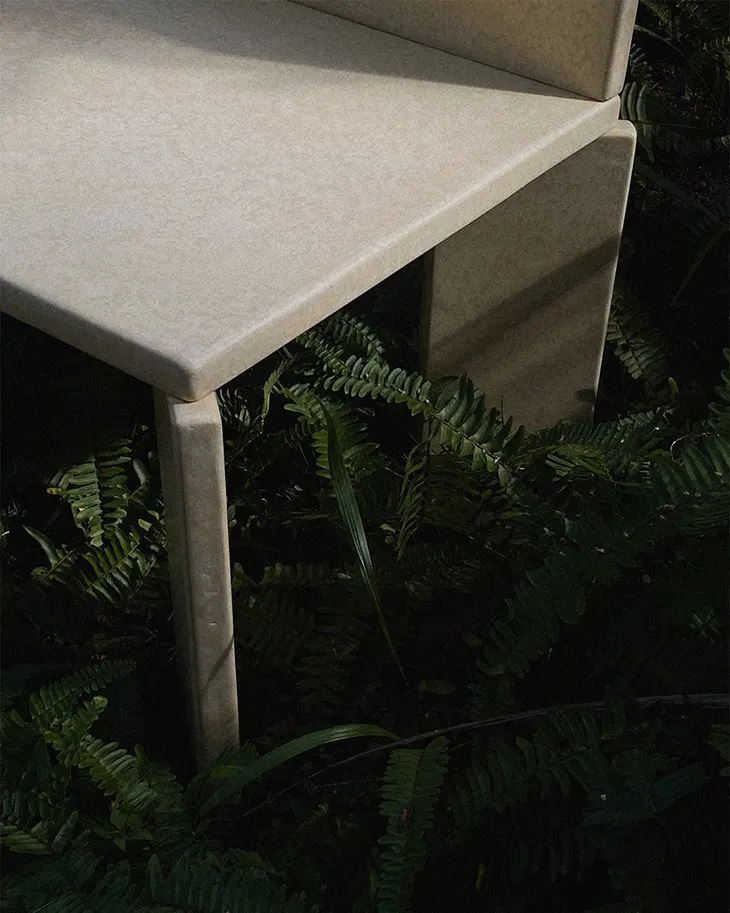
You mention handcrafted pieces finished with proprietary surfaces. How involved are you in the actual making, and do you see the designer’s hand as essential to the final object’s integrity?
We like being close to the making because that’s where a project usually changes for the better. A drawing is only a proposal. Once you begin working with materials and the people who know them best, new possibilities appear.
Over the years we’ve been fortunate to collaborate with remarkable artisans and manufacturers across Europe. Those relationships have taught us that good design is rarely the result of one person’s vision. It’s built through trust, dialogue and a genuine exchange of knowledge.
If design can make an ordinary moment feel slightly more meaningful, then it has already done something important.
How do you balance developing your own independent collections with client collaborations for established brands? Do these two tracks influence each other creatively?
Very naturally. We don’t really separate them. Our independent collections give us the freedom to explore ideas without a predefined brief. Collaborating with brands is a different exercise: it asks us to understand another identity, another audience and another way of making.
We enjoy moving between those two worlds because they constantly inform one another. The experimental thinking behind our collectible work often opens unexpected directions for industrial collaborations, while working closely with manufacturers teaches us to design with clarity and precision.
At the end of the day, whether we’re creating a limited-edition piece or designing for a larger brand, the goal remains the same: to create objects that people genuinely build a relationship with.
I can see how each piece from your collections has a narrative, butter-making rituals, ceremonies around light. How deliberately do you embed story into design, and how much freedom do you give users to interpret or create their own meaning?
We never sit down saying, “Let’s create a story.” Most conversations in the studio actually begin with something we’ve noticed in everyday life. It could be the way light changes a room throughout the day, how water slowly shapes stone, or a gesture that has been repeated for generations without anyone questioning it anymore.
Design gives us the opportunity to look at those things differently. Once a piece leaves the studio, though, it becomes part of someone else’s life. That’s probably our favourite part of the process. We enjoy seeing people create completely different memories around an object than the ones that first inspired it.
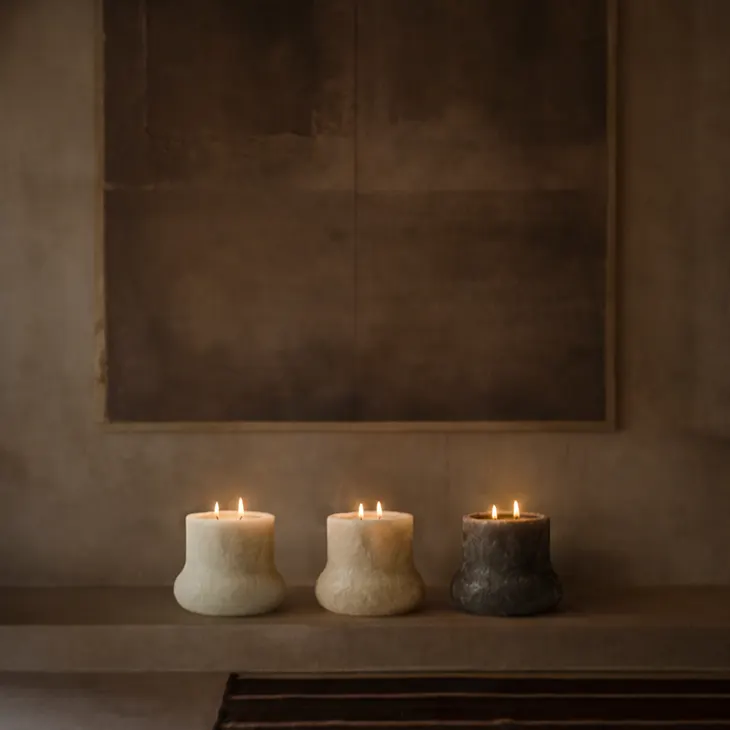
Your Design Rituals collection is explicitly about “slower rhythms.” In an era of fast consumption, how do you market and position objects designed to resist that urgency?
We’re careful not to romanticise slowness. Life today moves quickly, and we don’t think design should pretend otherwise. What interests us is the quality of the moments that exist within that rhythm. Sharing dinner with friends, lighting a candle at the end of the day, drinking your morning coffee, those moments are already there. We simply hope our objects encourage people to notice them a little more.
If design can make an ordinary moment feel slightly more meaningful, then it has already done something important.
Are your collections produced in limited quantities intentionally, or is scale determined by craft constraints? How does rarity factor into your brand positioning?
Each project finds its own scale. Some collections naturally remain small because they’re closely connected to specialist craftsmanship or manufacturing techniques. Others could eventually evolve into larger productions through collaborations with industry.
We’ve never been particularly interested in exclusivity for its own sake. What matters to us is preserving the quality of the idea and respecting the process behind it. The number of pieces comes afterwards.
At the end of the day, whether we’re creating a limited-edition piece or designing for a larger brand, the goal remains the same: to create objects that people genuinely build a relationship with.
You’re based in two geographically and culturally distinct cities. Do you maintain separate studios, or do you work remotely between locations? How does this geography shape your aesthetic?
We work as one studio. Depending on the project, we might be in Milan, Dubai, visiting a marble company in Portugal, working with manufacturers in Italy or developing prototypes somewhere else entirely.
Over time we’ve realised that the studio isn’t defined by a place. It’s defined by the people we collaborate with. Every project becomes a meeting point between different ways of thinking and making, and that’s something we genuinely enjoy.
You’ve explored transformation through butter-making and light rituals. What other everyday phenomena or natural processes are you currently observing, and what collection might emerge from that research?
Lately we’ve been paying a lot of attention to transformation. Not dramatic transformations, but the quiet ones that happen over time, the way water slowly changes a landscape, how materials develop a patina through use, or how an object acquires meaning simply by becoming part of someone’s daily life.
Those observations are slowly finding their way into new collections. We don’t usually start with a typology or a function. We start with a question that makes us curious, and then we follow it until it becomes an object.