
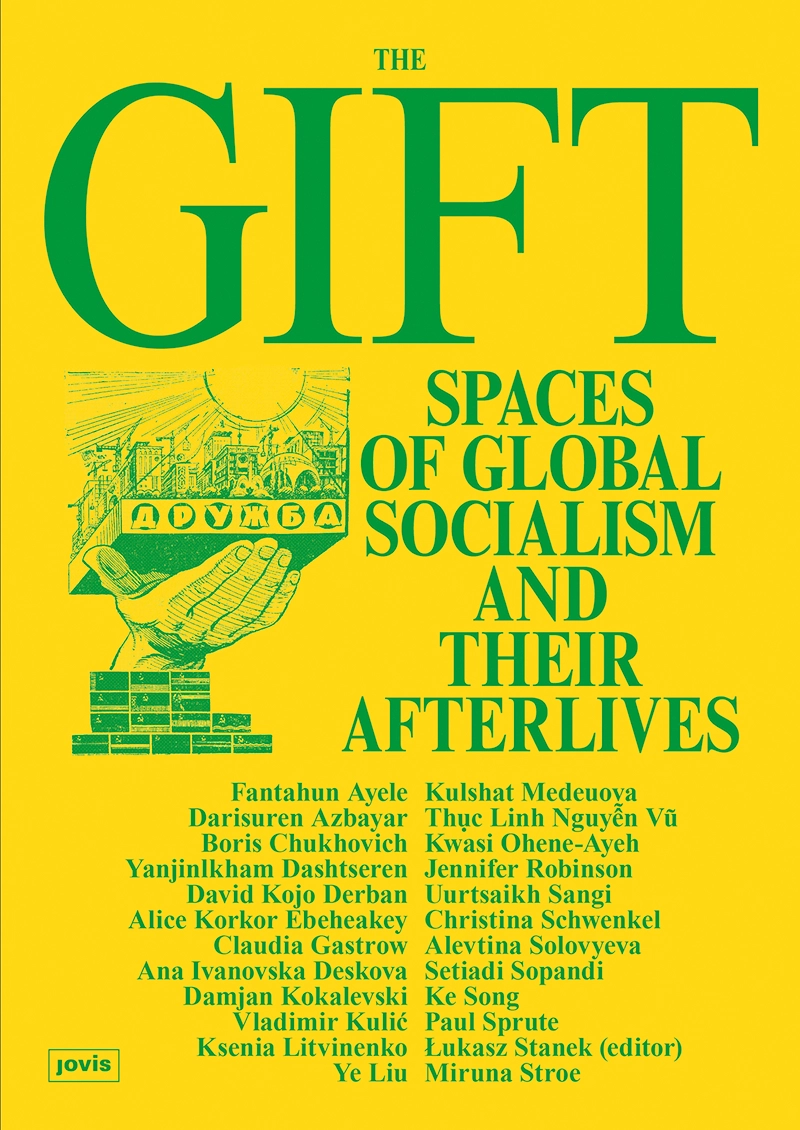
Architecture often carried political meaning during the Cold War, and The Gift: Spaces of Global Socialism and Their Afterlives examines one of its clearest forms: buildings donated by socialist states to newly independent countries in Africa and Asia. Edited by Łukasz Stanek, the 288-page volume studies factories, schools, hospitals, housing and other projects that Soviet, Eastern European, Chinese and Cuban institutions supplied as part of emerging international relationships.
BOOKS
Published by JOVIS in August 2026, the book approaches these projects through the idea of architectural gifting. It asks how the act of giving shaped design decisions, construction processes and the later lives of the buildings themselves. The contributors look closely at the social bonds created through these exchanges, along with the inequalities, expectations and political tensions that accompanied them.
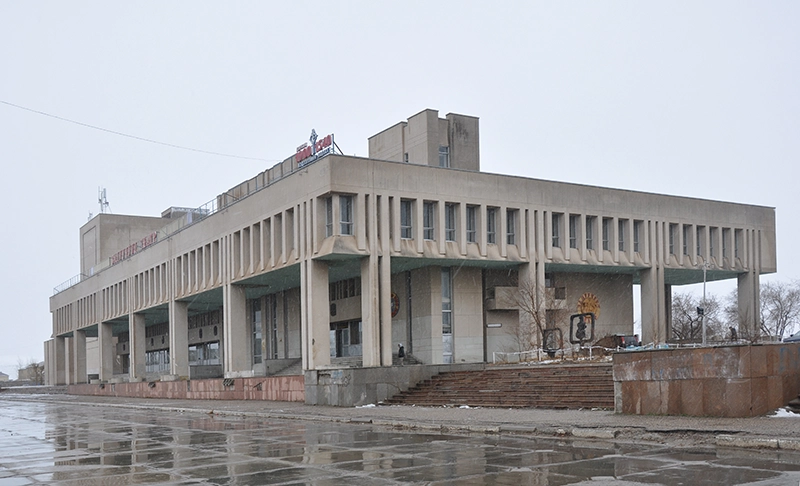
The geographical scope reaches Ethiopia, Ghana, Tanzania, Mongolia, Vietnam and several other countries shaped by socialist cooperation during periods of decolonization. Instead of treating these buildings as isolated architectural objects, The Gift follows them from conception and construction into everyday use. This long-term perspective allows the book to examine how architecture changes once political systems shift, diplomatic relationships weaken, and local communities adapt buildings to different social and urban conditions.
One of the central questions concerns the meaning of generosity itself. Architectural donations presented a vision of international solidarity, while the exchange also carried moral, racial and political implications. The book studies how these forces influenced the people who designed, built and occupied the projects, and how they continued to affect their interpretation long after their original political purpose changed.
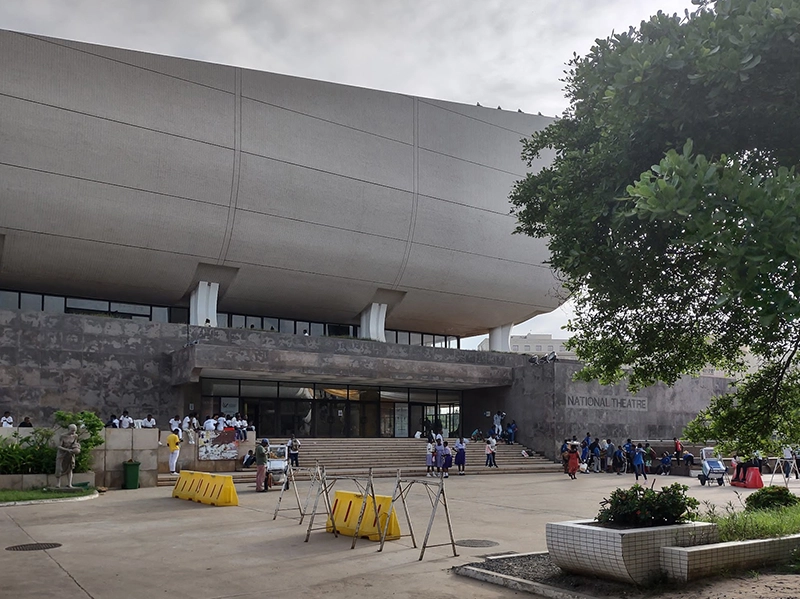
This approach also places architecture outside the usual narratives centered on Western Europe and North America. The Gift constructs a wider account of urban development through networks connecting socialist countries with Africa and Asia. These networks involved architects, engineers, governments and institutions working within changing political conditions, and the resulting buildings became part of cities whose growth continued far beyond the Cold War period.
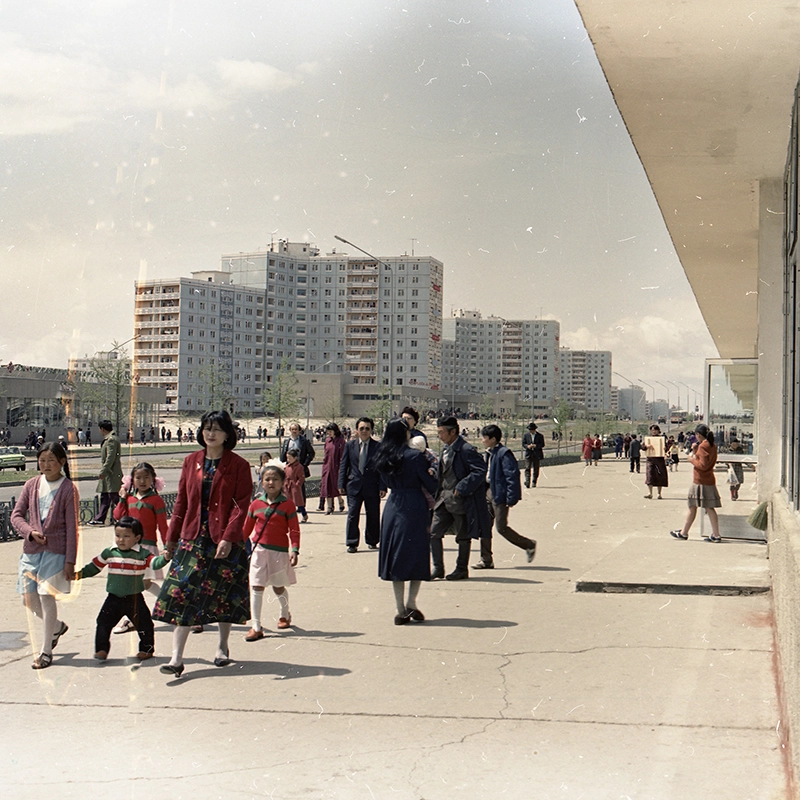
The publication also considers physical survival. Buildings age, undergo modification and acquire new functions, while political meanings attached to them can weaken or shift entirely. By examining their afterlives, the contributors treat architecture as something continuously shaped by occupation, maintenance, alteration and memory.
The book brings together essays by Fantahun Ayele, Darisuren Azbayar, Boris Chukhovich, Yanjinlkham Dashtseren, David Kojo Derban, Alice Korkor Ebeheakey, Claudia Gastrow, Ana Ivanovska Deskova, Damjan Kokalevski, Vladimir Kulić, Ksenia Litvinenko, Ye Liu, Kulshat Medeuova, Thục Linh Nguyễn Vũ, Kwasi Ohene-Ayeh, Jennifer Robinson, Uurtsaikh Sangi, Christina Schwenkel, Alevtina Solovyeva, Setiadi Sopandi, Ke Song, Paul Sprute and Miruna Stroe.
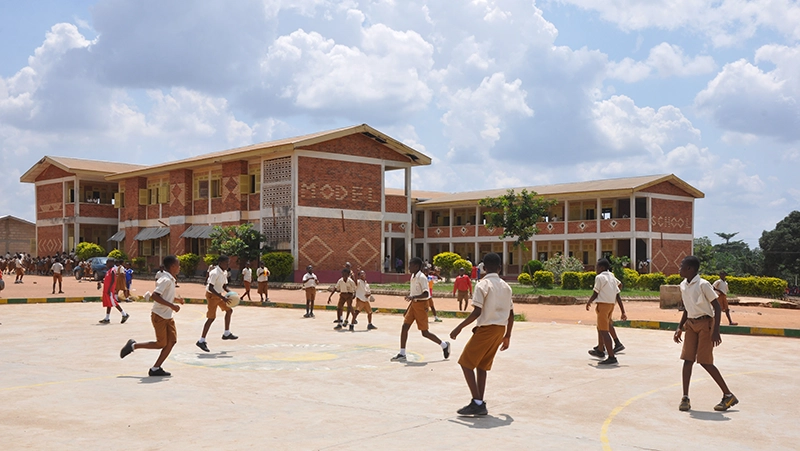
Contemporary and archival images accompany the research, including previously unpublished material. Together, the essays and visual documentation establish The Gift as a study of architecture shaped by diplomacy, ideology and everyday use, while questioning how buildings produced under global socialism continue to influence cities decades after their construction.
The Gift: Spaces of Global Socialism and Their Afterlives is available as a softcover and e-book from JOVIS. The English-language edition measures 17 × 24 cm and contains 288 pages.