
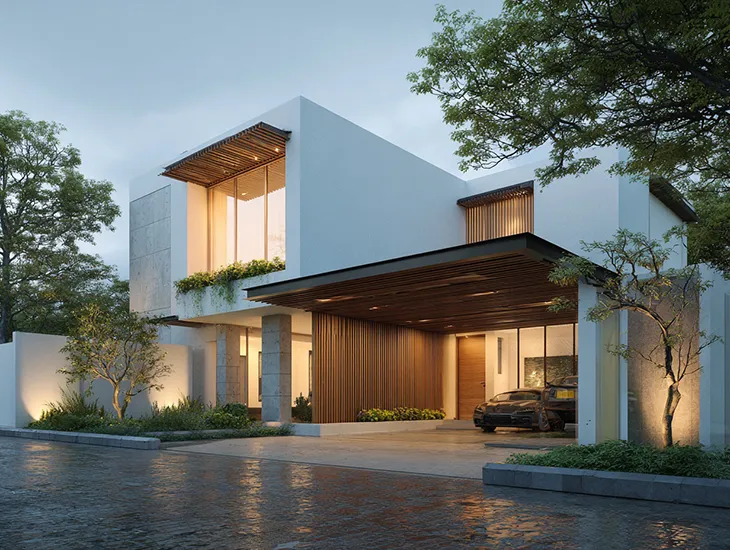
Exceptional homes are rarely defined by a single dramatic feature. While striking architecture, premium materials, and refined interiors certainly contribute to a home’s character, they are rarely the reason a space feels comfortable, functional, and timeless.
They begin with planning.
Long before construction begins, architects make hundreds of decisions that influence how a home will perform for decades. Site orientation, circulation, natural light, privacy, room proportions, and spatial relationships quietly shape the experience of everyday living. These are the decisions homeowners may never consciously notice, yet they influence how a home feels every single day.
Design Should Respond to the Site
Every property presents its own opportunities and constraints.
Lot size, topography, surrounding views, sun exposure, neighboring structures, local regulations, and existing vegetation all influence the architectural response. A strong residential plan starts by reading those conditions closely, then using them to guide the layout, structure, and overall direction of the home.
A narrow lot may require a different approach to light and privacy. A sloped site may shape the placement of entrances, terraces, or outdoor areas. A property with strong views may call for a layout that directs attention outward, while a dense urban site may need a plan that protects privacy.
This site-led approach also informs the work of firms such as Ataman Studio, a Los Angeles-based residential architecture firm that works on custom homes, ADUs, home additions, and whole-home transformations. In projects like these, the property itself often sets the first limits and opportunities, while the homeowner’s long-term needs guide the design.
Architecture Is About How People Live
A successful home should feel intuitive.
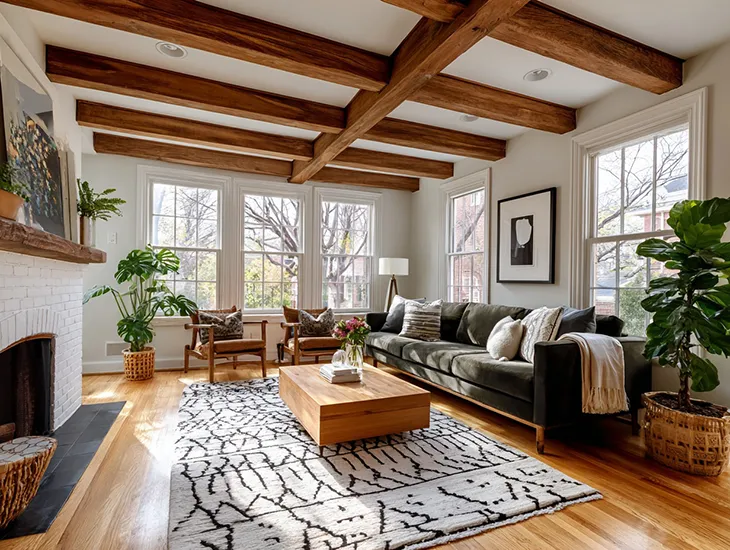
Daily routines should make sense. Rooms should connect in a way that supports how people live, cook, work, rest, and entertain. Public areas need enough openness for shared use, while bedrooms, bathrooms, and workspaces need privacy and comfort.
Natural light also needs balance. A bright interior can improve the experience of a home, but too much direct sun can create glare, heat, and uncomfortable rooms. Good planning considers where light enters, how it changes through the day, and how each room responds to it.
These qualities are rarely achieved by chance. Instead, they result from careful analysis of how each household lives, works, entertains, and evolves over time. Designing around real lifestyles often creates homes that remain functional long after design trends have changed.
The Best Projects Solve Problems Before They Exist
Poor room relationships, limited storage, dark interiors, awkward circulation, and unused outdoor areas often come from decisions that did not consider the whole home. These issues can become much harder and more expensive to correct once construction begins.
Rather than addressing these issues during construction, thoughtful architectural planning identifies potential problems early, allowing design solutions to be integrated from the beginning. This proactive approach not only improves the final design but often reduces costly revisions later in the project.
Lasting Design Comes From Practical Decisions
Timeless homes are not defined by a particular architectural style. Instead, they have balanced proportions, useful storage, good light, efficient circulation, flexible spaces, and strong connections between indoor and outdoor areas.
When these principles are established early, material selections and interior finishes become the final layer of a much stronger architectural foundation.
Every Project Begins With a Strategy
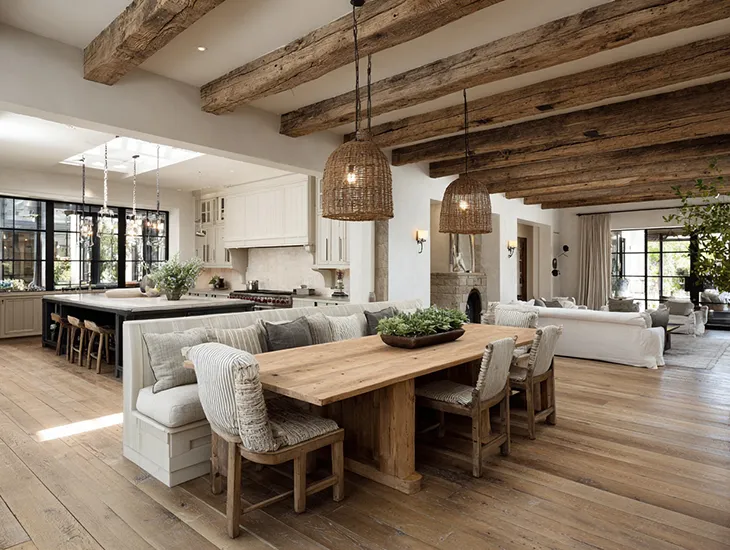
One of the defining characteristics of successful residential architecture is that design decisions are connected rather than isolated.
Planning a kitchen apart from circulation can create problems with access and flow. Designing an addition without studying the whole property can make the new space feel disconnected. Choosing finishes before the layout works can shift attention away from the more important architectural decisions. These disconnected decisions often produce homes that look attractive but fail to function as a cohesive whole.
A coherent strategy helps avoid those issues. It considers the property, local requirements, budget, lifestyle, and long-term use together. Whether the project involves a new custom home, an ADU, an addition, or a full renovation, each decision should support the larger plan. This approach gives the home a stronger sense of order. Instead of treating rooms, materials, and exterior areas as separate pieces, planning brings them into one architectural direction.
The Homes That Age Best Are the Ones Planned Best
Architecture should continue to serve its owners long after construction is complete.
The most successful homes adapt to changing lifestyles, growing families, new technologies, and evolving needs without requiring constant redesign. That resilience is rarely the result of expensive materials alone, it comes from careful planning, thoughtful analysis, and architectural decisions that prioritize long-term performance over short-term trends.
In many ways, the greatest achievement of architecture is not what immediately captures attention. It is creating spaces that feel natural, balanced, and effortless to live in for decades to come.