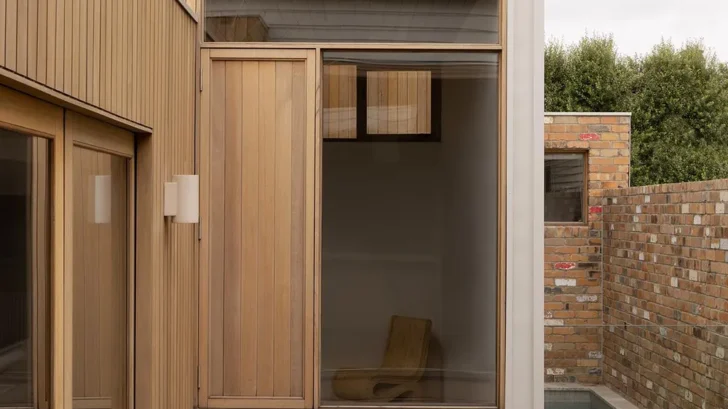

Steffen Welsch Architects approaches urban density as a question of experience in Stack and Field, a residential project designed for a constrained inner-city block. The house rejects the conventional drive to occupy as much of the site as possible. Instead, the architects divide the building into a series of volumes, rooms and courtyards that increase the perceived depth of the property while supporting the practical demands of daily life.
HOUSING
The project treats complexity as a spatial resource. Rooms do not form a single, enclosed mass. They sit within a layered arrangement that draws movement and sightlines through the site, allowing occupants to experience the house as a sequence of connected zones. Courtyards occupy an equally important role within this system, bringing outdoor areas into the plan and creating visual connections between separate parts of the residence.
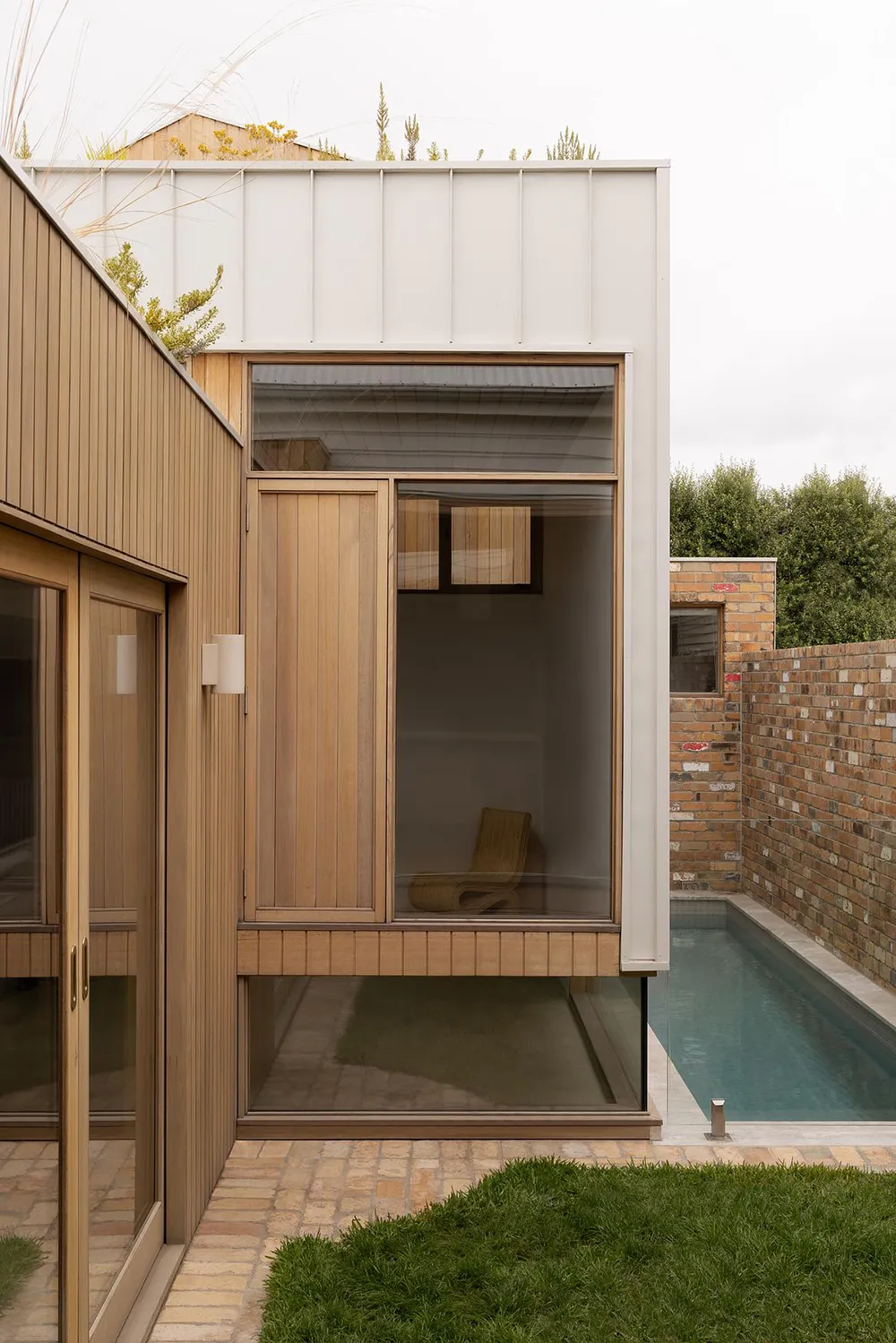
Steffen Welsch Architects shaped each volume around a particular activity, considering its required proportions, its relationship with adjoining rooms and its connection to the exterior. This method gives the house a clear functional structure without imposing a rigid division between spaces. Domestic routines can overlap, while individual areas retain their own character and purpose.
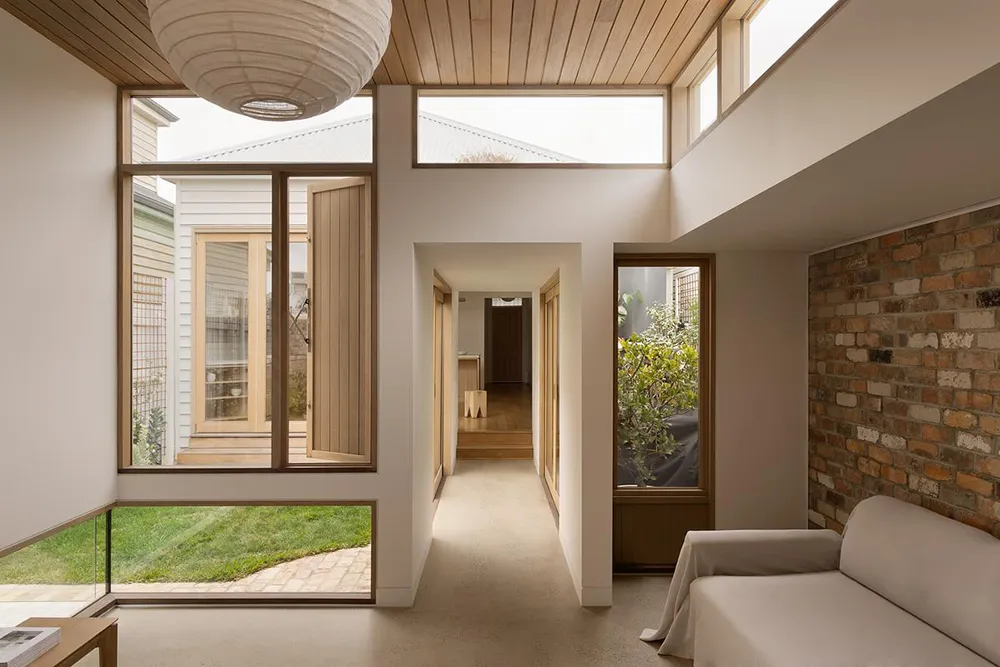
The building envelope follows the internal organisation. Instead of wrapping the house in a single uniform surface, the architects break the facade into articulated planes that correspond with the arrangement of spaces inside. Openings respond to daylight, ventilation and views, with their size and placement helping natural light reach deep into the plan. They also support cross-ventilation and frame long perspectives through the residence and beyond the boundaries of the block.
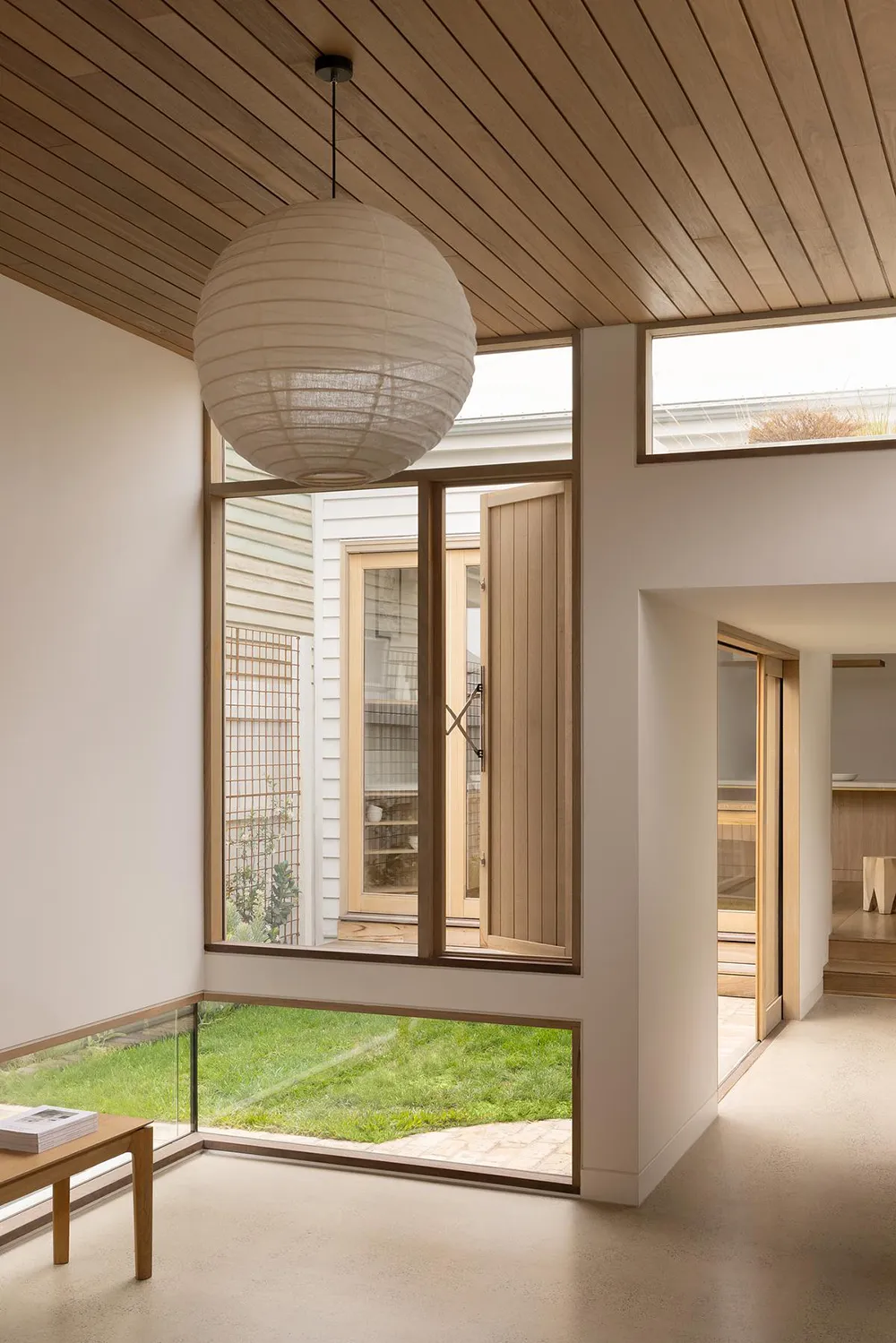
These openings make the compact site feel less confined. Views pass from one room to another, continue through courtyards and occasionally extend towards the surrounding neighbourhood. The house gains a sense of distance through these carefully controlled visual routes, despite its inner-city setting.
The articulation continues along the roofline. Planted roofs cover several horizontal surfaces and remain visible from different rooms and levels within the house. The greenery softens views between the building’s volumes while helping counteract the urban heat island effect. These elevated planted areas integrate environmental performance into the everyday experience of the home, turning technical surfaces into active parts of its spatial composition.
Inside, the design adopts a calmer approach. Steffen Welsch Architects developed the fit-out with interior design studio Neutral Instinct, using muted colours and practical materials to balance the visual activity of the exterior. Simple finishes create a composed domestic setting, allowing the internal rooms to function as a personal retreat within the denser urban context.
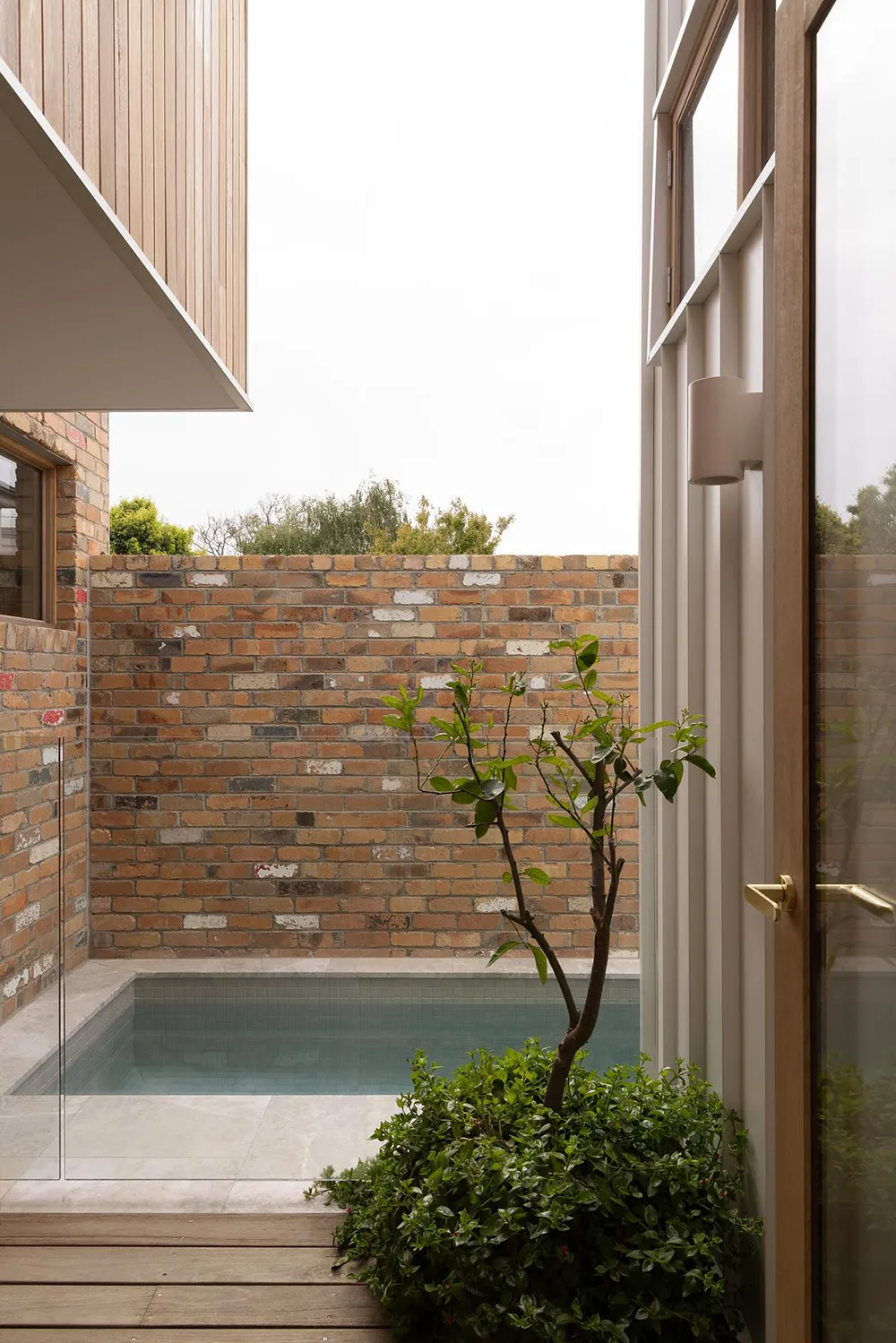
This restraint also supports the home’s adaptability. The design can accommodate changing household requirements over time, as its distinct activity zones allow spaces to take on new functions without requiring a complete reorganisation of the building. The fragmented arrangement offers flexibility while maintaining strong connections between indoor and outdoor areas.
Stack and Field proposes an alternative model for higher-density residential architecture. Its success does not depend on expansive floor area. The house achieves generosity through layered views, varied volumes, planted surfaces and a careful distribution of enclosed and open spaces. By treating courtyards, roofs and facade elements as essential parts of the plan, Steffen Welsch Architects demonstrates how a compact urban residence can support environmental performance, privacy and evolving family life.